
Eco-Friendly Luxury Brands Redefining Fashion Industry
Estimated reading time: 15 minutes
Table of contents
- Eco-Friendly Luxury Brands Redefining Modern Fashion
- The Sustainability Paradox of Luxury Fashion
- Why a New Generation Is Changing Luxury Fashion
- Why Circular Fashion Is Becoming the Future of Luxury
- Gucci: Reinventing Luxury for a More Conscious Era
- Fendi: Why Enduring Craftsmanship Never Goes Out of Style
- Miu Miu and the Rise of Conscious Creativity
- Saint Laurent and the Power of Buying Less but Better
- Alexander McQueen: When Fashion Becomes Art
- Why Consumers Trust Craftsmanship More Than Marketing
- The New Status Symbol Is Not Owning More
- Can Sustainability and Luxury Truly Coexist?
- The Future of Luxury Fashion Is Becoming More Thoughtful
- Frequently Asked Questions
Key Takeaways
- Luxury fashion is transforming as consumers demand sustainability, transparency, and ethical practices, redefining modern luxury.
- The rise of circular fashion and vintage luxury emphasizes longevity, craftsmanship, and the importance of keeping products in circulation.
- Brands like Gucci, Fendi, Miu Miu, Saint Laurent, and Alexander McQueen are embracing responsible practices while maintaining their heritage.
- Today’s consumers prioritize thoughtful ownership over accumulation, valuing quality and timeless investments.
- The future of luxury fashion focuses on owning better, with trust and craftsmanship becoming central to consumer choices.
Eco-Friendly Luxury Brands Redefining Modern Fashion
Luxury fashion is experiencing one of the most significant transformations in its history.
For decades, luxury was defined by exclusivity, craftsmanship, heritage, and aspiration. The most successful fashion houses built their reputations on exceptional quality, iconic design, and the ability to create desire across generations.
Today, however, consumers expect something more.
They still want craftsmanship, appreciate heritage, and value beautifully made products. But increasingly, they also want transparency, responsibility, and a deeper understanding of how luxury brands fit into a rapidly changing world.
This shift has sparked one of the most fascinating conversations in modern fashion:
Can luxury fashion remain luxurious while becoming more sustainable?
The answer is not as simple as many brands would like it to be.
Sustainability in luxury fashion is still evolving. No brand has solved every challenge, and consumers are becoming increasingly skeptical of vague environmental claims. Yet some of the world’s most influential fashion houses are making meaningful changes—through innovation, craftsmanship, circular fashion initiatives, responsible sourcing, and a renewed focus on longevity.
What makes this transformation particularly interesting is that many of these brands are not abandoning their heritage.
Instead, they are redefining what modern luxury means.
The Sustainability Paradox of Luxury Fashion
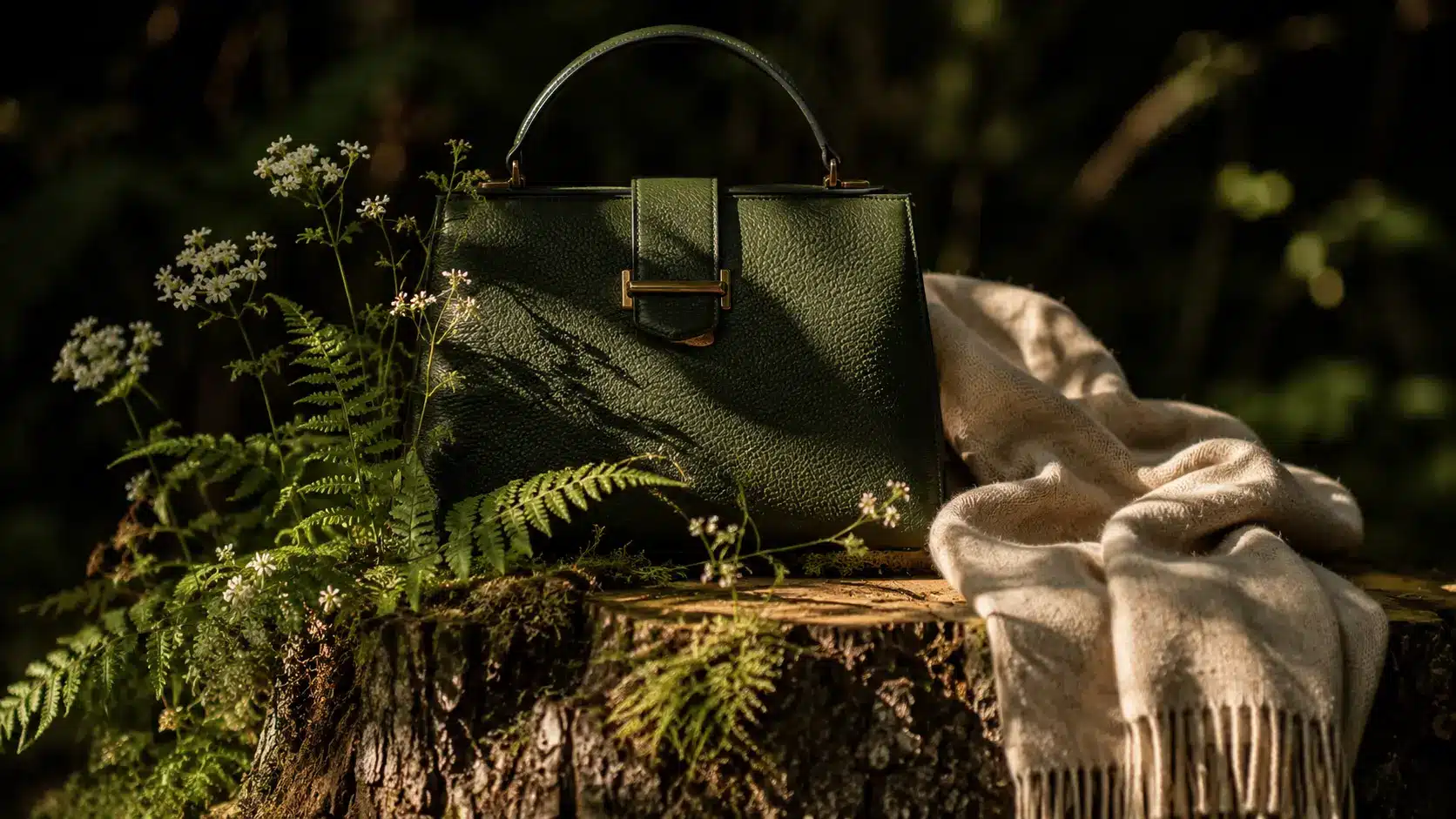
Luxury and sustainability have often been viewed as opposites.
Luxury traditionally celebrates:
- rarity
- exclusivity
- premium materials
- craftsmanship
- aspiration
Sustainability focuses on:
- responsibility
- environmental impact
- conscious consumption
- transparency
- longevity
At first glance, these values can appear contradictory.
Yet modern consumers increasingly believe that true luxury should last. They are questioning whether exclusivity alone is enough to justify luxury status. Instead, they want products that combine craftsmanship with purpose.
This shift is reshaping consumer expectations.
People no longer judge luxury brands solely by:
- logos
- celebrity endorsements
- runway visibility
They also evaluate:
- sustainability efforts
- ethical practices
- transparency
- long-term value
- environmental responsibility
Luxury is no longer just about what a product represents. It is also about what a brand stands for.
Why a New Generation Is Changing Luxury Fashion
One of the biggest forces driving sustainable luxury is a new generation of consumers.
Millennials and Gen Z have grown up in a world where information is easily accessible.They research brands before buying, compare sustainability claims, and ask tough questions about sourcing, production, and environmental impact.
Most importantly, they want alignment between personal values and purchasing decisions.
This does not mean consumers have stopped loving luxury fashion.
Far from it.
Instead, they want luxury to evolve.
Today’s shoppers increasingly value:
- craftsmanship over hype
- quality over quantity
- longevity over trends
- authenticity over marketing
This mindset has encouraged even the most established luxury houses to rethink their strategies.
Why Consumers Are Buying Luxury Differently Today
The modern luxury consumer looks very different from the luxury consumer of a decade ago.
For years, luxury shopping was often associated with accumulation. Success was reflected through larger collections, seasonal purchases, and visible status symbols. Owning more was frequently interpreted as owning better.
Today, a different mindset is emerging.
Many consumers are becoming more selective rather than more excessive. Instead of asking how much they can add to their wardrobe, they are asking whether a piece deserves a place in it at all.
This shift has given rise to concepts such as intentional ownership, conscious consumerism, and investment dressing. Luxury shoppers increasingly prioritize versatility, longevity, craftsmanship, and emotional value over short-lived trends.
A beautifully tailored blazer worn for years often delivers more value than several trend-driven purchases that quickly lose relevance.
This evolution is changing how luxury is perceived. Modern luxury is becoming less about accumulation and more about curation.
The ability to choose thoughtfully is increasingly viewed as a form of sophistication in itself.
Why Circular Fashion Is Becoming the Future of Luxury
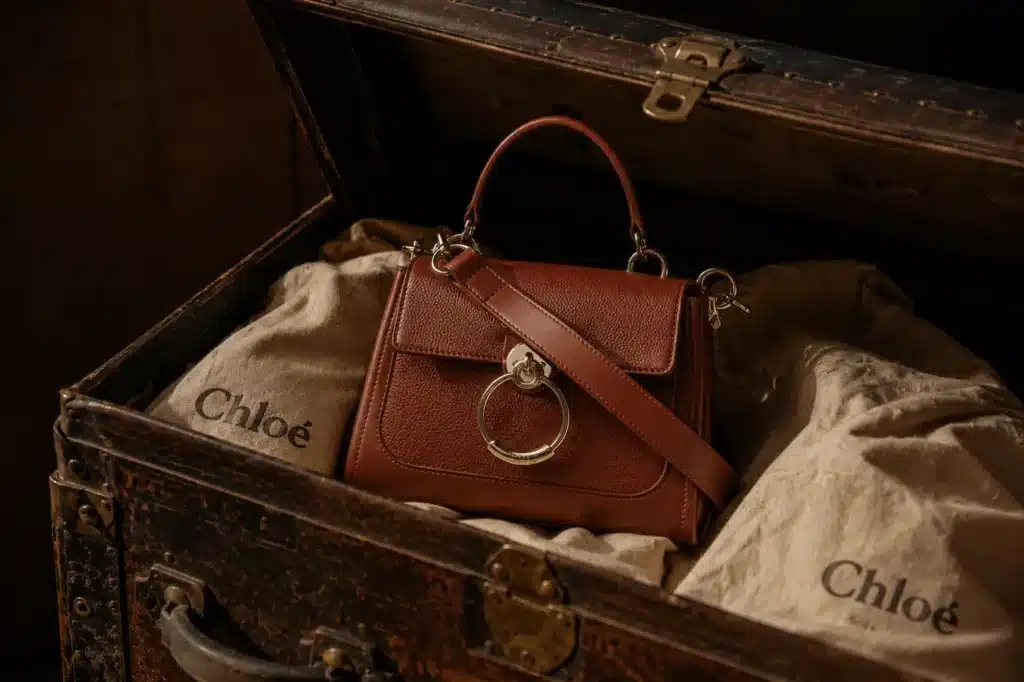
One of the most significant developments in sustainable luxury is the rise of circular fashion. For years, fashion operated through a simple cycle: buy, use, replace.
Circular fashion challenges that model by extending the life of products through:
- resale
- restoration
- repair
- authentication
- vintage collecting
Luxury products are uniquely positioned for this shift because they are often built to last. A well-made handbag, leather accessory, or tailored jacket can remain desirable for decades.
This explains why the luxury resale market continues to grow rapidly. Vintage luxury is no longer viewed as second-best. In many cases, it has become more desirable than new products because it combines:
- craftsmanship
- rarity
- authenticity
- history
The most sustainable luxury products are often the ones that continue to circulate through multiple owners rather than ending their journey after a single season.
Why Vintage Luxury Is More Relevant Than Ever
One of the most surprising developments in modern fashion is the growing popularity of vintage luxury.
For years, consumers automatically gravitated toward new collections. Today, many fashion enthusiasts are actively searching for archival pieces, discontinued designs, and authenticated vintage accessories.
Part of the appeal comes from exclusivity. Vintage pieces often tell a story that cannot be replicated through mass production. They carry history, craftsmanship, and cultural relevance.
The rise of the luxury resale market has also transformed how consumers think about ownership. Instead of viewing luxury as a one-time purchase, many now see designer products as part of a longer lifecycle.
Circular fashion extends the lifespan of luxury products by keeping high-quality items in circulation. Vintage handbags, collectible accessories, and heritage pieces can remain desirable for decades, making them an increasingly important part of sustainable luxury conversations.
In many ways, the growing appreciation for vintage fashion proves that true luxury rarely depends on being new. It depends on remaining desirable over time.
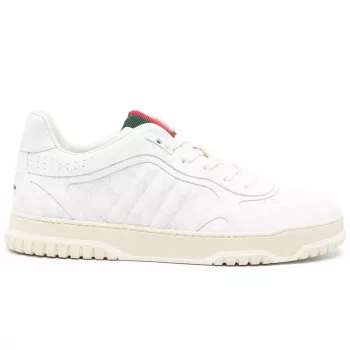
Gucci: Reinventing Luxury for a More Conscious Era
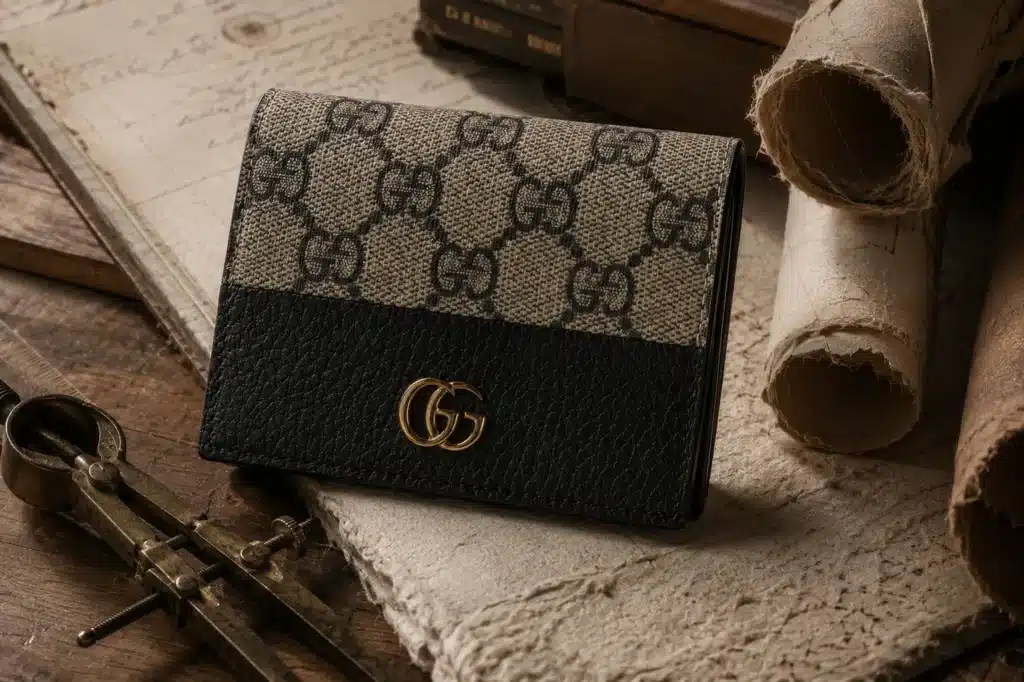
Few luxury brands have experienced as many cultural reinventions as Gucci.
From heritage Italian craftsmanship to contemporary collaborations and collectible fashion moments, Gucci has consistently adapted to changing consumer expectations while maintaining its iconic identity.
Today, however, the challenge facing Gucci is different.
Modern consumers are no longer evaluating brands solely through design and desirability. They also want to understand how brands approach responsibility, transparency, and sustainability.
This is where initiatives such as Gucci Equilibrium become important. They reflect a broader industry recognition that luxury must evolve alongside consumer values.
Yet perhaps the most interesting sustainability story surrounding Gucci is not found in a new collection.
It is found in vintage Gucci.
Fashion enthusiasts continue seeking archival Gucci bags, classic loafers, heritage accessories, and collectible collaborations because these pieces retain relevance long after their original release. Their enduring appeal demonstrates one of the most overlooked principles of sustainable luxury:
Products become more sustainable when people continue wanting them.
Vintage Gucci also highlights the growing importance of circular fashion. By extending product lifecycles through resale, restoration, and reuse, luxury products can remain valuable for decades rather than seasons.
This combination of heritage, desirability, and adaptability is what keeps Gucci culturally relevant.
The brand is not simply preserving its past. It is learning how to carry that legacy into a more conscious future.
Fendi: Why Enduring Craftsmanship Never Goes Out of Style
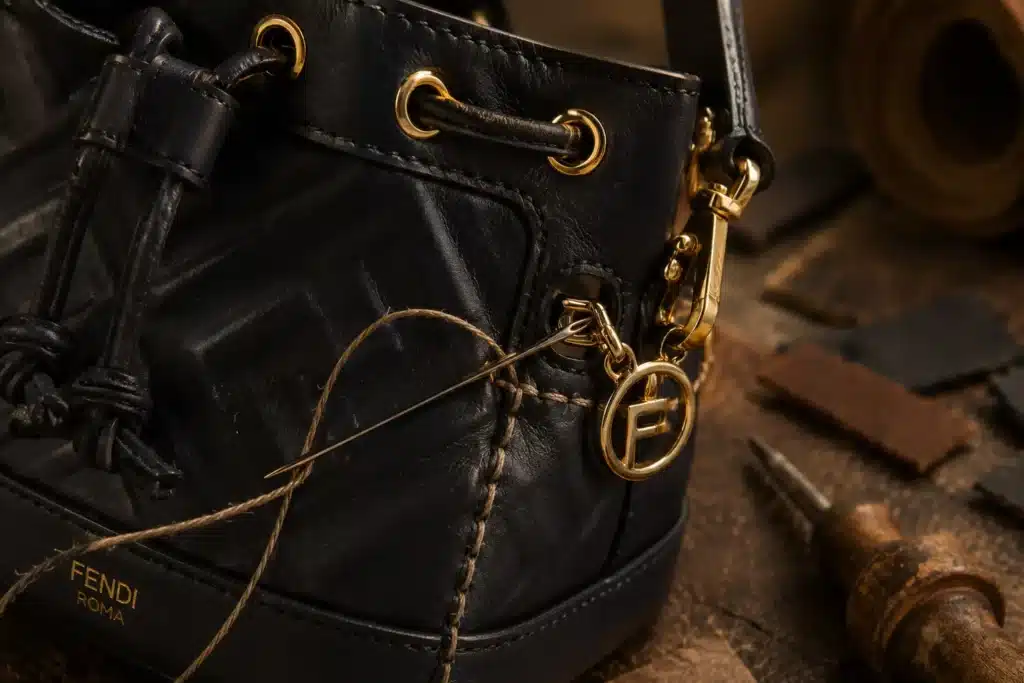
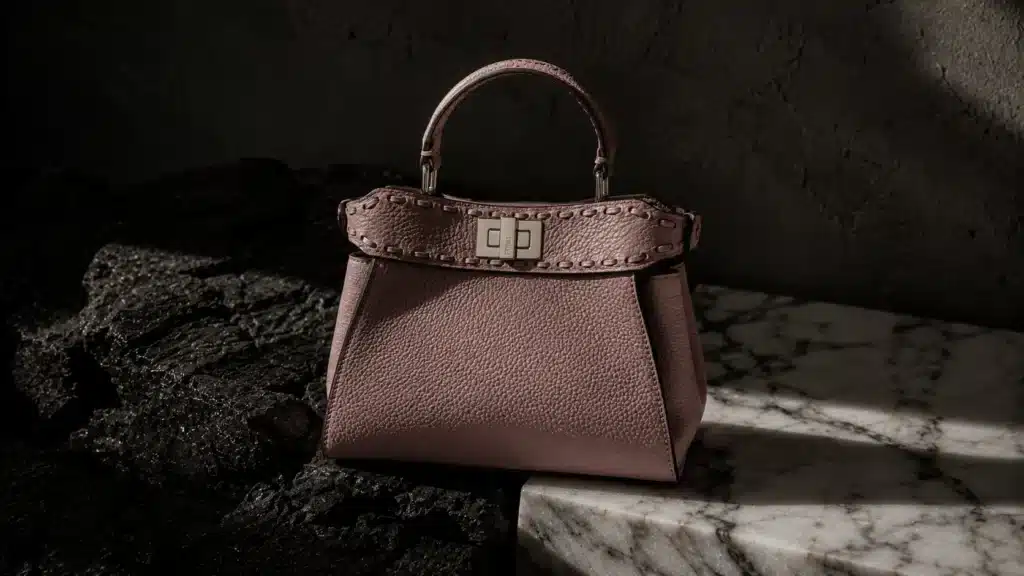
Fashion trends come and go. Craftsmanship endures. That simple truth helps explain why Fendi remains one of the most respected names in luxury fashion.
For generations, the Roman fashion house has built its reputation on exceptional leather craftsmanship, meticulous construction, and timeless accessories designed to transcend seasonal trends.
Consumers are increasingly drawn to products that feel permanent rather than temporary. A beautifully crafted leather accessory that remains relevant for ten years carries a very different kind of value than a trend-driven purchase designed for short-term attention.
This is where Fendi‘s contribution to sustainable luxury becomes particularly interesting.
The brand demonstrates that sustainability is not always driven by innovation alone. Sometimes it emerges through longevity.
A well-made product that remains desirable, repairable, and wearable over time naturally reduces replacement cycles. This principle is especially important in luxury fashion, where quality often determines how long a product remains part of someone’s life.
There is also an emotional dimension to craftsmanship.
People tend to care for products differently when they recognize the skill behind their creation. Exceptional leatherwork, refined detailing, and enduring construction create attachment.
And attachment often leads to longevity.
In a fashion landscape increasingly focused on speed, Fendi continues to remind consumers that lasting quality remains one of the most sustainable attributes a luxury product can possess.
Miu Miu and the Rise of Conscious Creativity
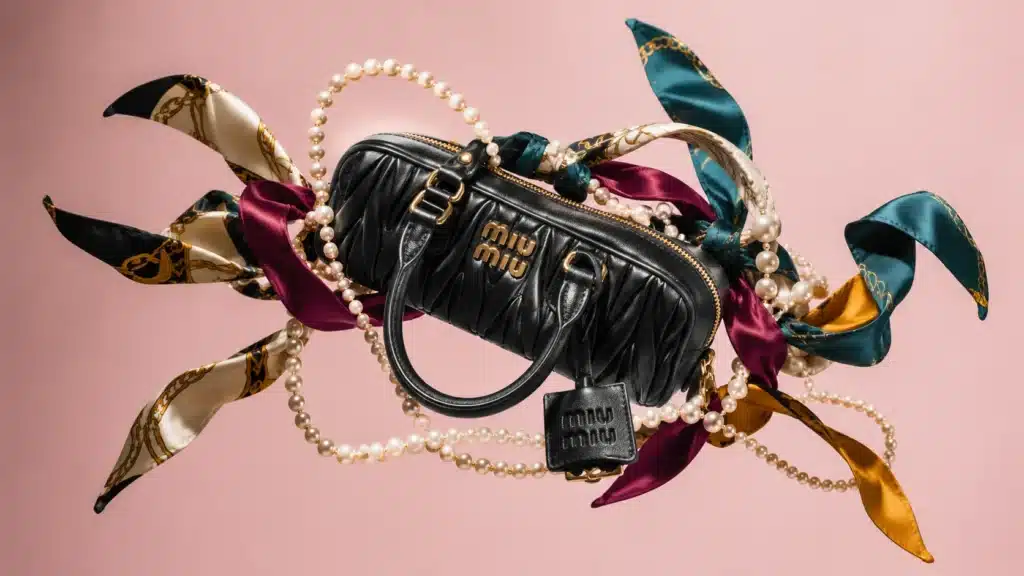
Sustainability does not always have to look serious.
One of the most interesting developments in modern luxury is how younger consumers are redefining sustainable fashion through creativity and self-expression.
Miu Miu has become a favorite among younger fashion audiences because it combines:
- playful styling
- vintage inspiration
- individuality
- contemporary femininity
The brand’s growing connection to vintage aesthetics and reimagined classics reflects a broader cultural movement toward fashion that values reuse, reinvention, and personal storytelling.
Consumers increasingly understand that sustainability is not simply about buying less.
It is also about appreciating what already exists.
Miu Miu‘s appeal demonstrates that sustainable fashion can still feel:
- expressive
- youthful
- creative
- emotionally engaging
And perhaps that flexibility is exactly what the future of fashion needs.
Saint Laurent and the Power of Buying Less but Better
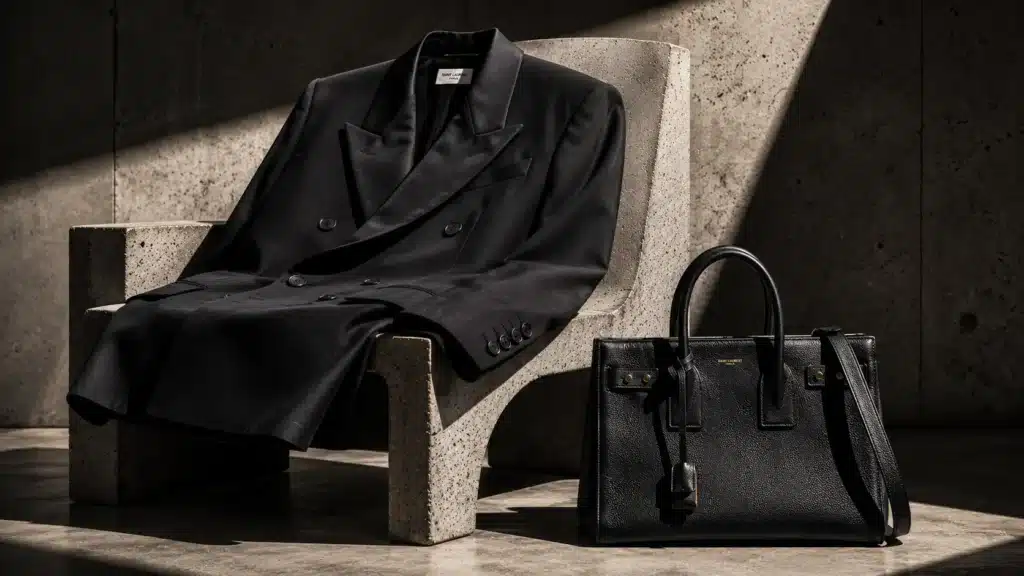
Few luxury brands embody timeless style as consistently as Saint Laurent.
The brand’s sharp tailoring, monochromatic palettes, and enduring silhouettes have helped define modern luxury for decades.
What makes Saint Laurent especially relevant in sustainable fashion conversations is its natural compatibility with wardrobe longevity.
Many of the brand’s most iconic pieces resist trends entirely.
A well-cut black blazer, leather jacket, tailored coat, or structured handbag can remain stylish for years without feeling dated.
This aligns perfectly with one of the most important principles of sustainable fashion:
Buying fewer, higher-quality pieces often creates a more sustainable wardrobe than constantly chasing new trends.
Fashion editors, stylists, and industry insiders frequently return to the same Saint Laurent essentials because they continue working season after season.
And that consistency has become a powerful form of sustainability.
Alexander McQueen: When Fashion Becomes Art
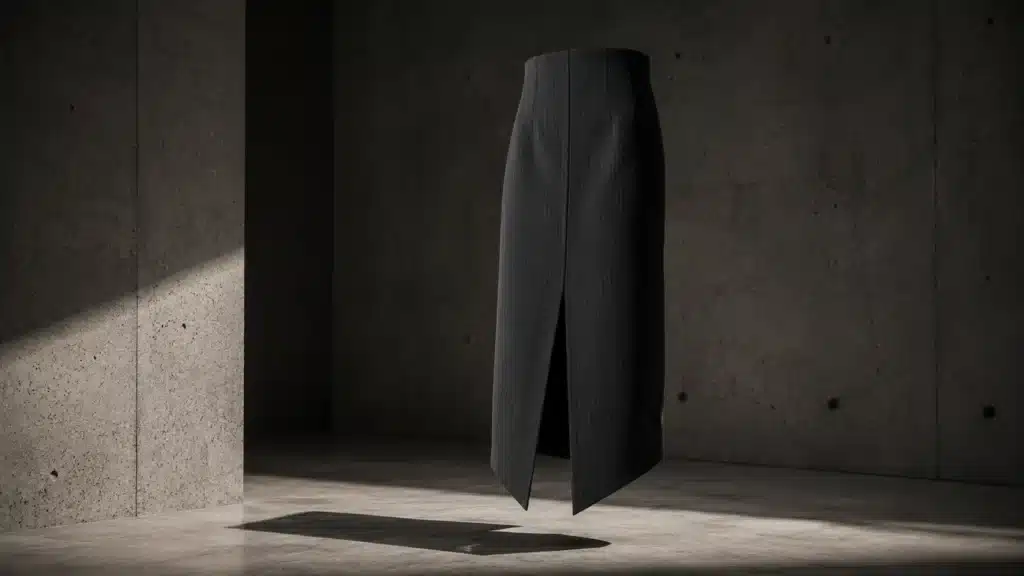
Fashion is often treated as a product.
Alexander McQueen reminds people that it can also be art.
The brand’s reputation was built on:
- extraordinary craftsmanship
- artistic storytelling
- emotional design
- technical excellence
Many Alexander McQueen pieces are viewed less as seasonal purchases and more as collectible creations.
This creates a different relationship between consumer and product.
People tend to preserve artistic pieces more carefully. They value them differently. They see them as meaningful rather than disposable.
This concept is increasingly relevant within sustainable luxury.
The more emotionally valuable a piece becomes, the more likely it is to remain in circulation, be repaired, be resold, or be passed on.
In that sense, artistry itself can support longevity.
And longevity remains one of the most important foundations of sustainable fashion.
What Fashion Editors Are Buying Less Of
One of the most interesting shifts happening behind the scenes in fashion is that many editors, stylists, and industry insiders are buying fewer trend-driven products than they once did.
Instead of constantly refreshing their wardrobes, they are investing in pieces that can move effortlessly across seasons and occasions.
This explains the continued popularity of:
- tailored outerwear
- timeless leather accessories
- structured handbags
- monochromatic wardrobes
- versatile footwear
Many fashion professionals have discovered that repeating exceptional pieces creates a stronger personal style than constantly chasing novelty.
This philosophy aligns naturally with sustainability.
The goal is no longer to own the most clothing.
The goal is to own the right clothing.
And increasingly, that distinction is reshaping modern luxury.
Why Consumers Trust Craftsmanship More Than Marketing
Modern consumers are sophisticated.
They have seen years of sustainability campaigns, marketing promises, and eco-friendly messaging.
As a result, many shoppers have become skeptical.
Increasingly, people trust visible quality more than promotional language.
They look for:
- exceptional construction
- durable materials
- repairability
- heritage expertise
- artisan craftsmanship
This is one reason luxury brands still hold a unique position in sustainable fashion discussions.
When products are designed to last, they naturally support longer ownership cycles.
And that durability often speaks louder than marketing slogans.
The New Status Symbol Is Not Owning More
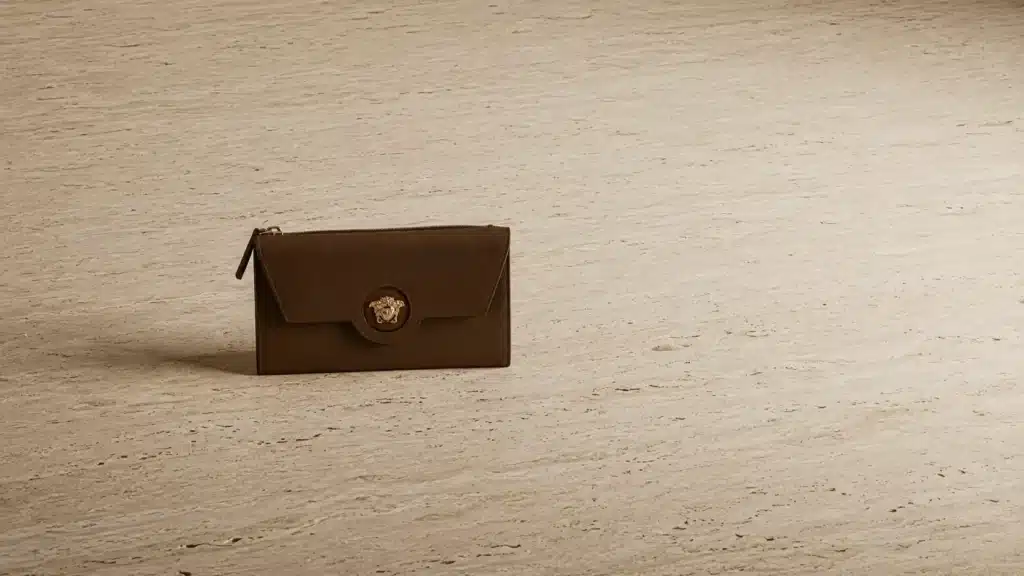
Luxury fashion is changing culturally.
For years, status was often associated with accumulation:
- larger collections
- more purchases
- constant novelty
Today, many consumers view luxury differently.
The new status symbol is increasingly:
- thoughtful ownership
- curated wardrobes
- timeless investments
- meaningful purchases
This shift reflects broader changes in consumer psychology.
People are becoming less interested in displaying abundance and more interested in demonstrating discernment.
The ability to choose well is replacing the desire to own endlessly.
And this mindset naturally aligns with sustainability.
Can Sustainability and Luxury Truly Coexist?
This remains one of fashion’s most important questions.
The honest answer is that luxury fashion still faces significant challenges. Environmental impact, supply chain complexity, and responsible sourcing remain ongoing concerns across the industry.
But the conversation has matured. Consumers are no longer searching for perfect brands. They are looking for brands willing to evolve.
The most influential luxury houses today are increasingly judged by:
- transparency
- accountability
- innovation
- craftsmanship
- long-term value
And while the journey is far from complete, progress is happening.
Can Consumers Trust Sustainability Claims?
As sustainability becomes more important in fashion, consumers are asking harder questions.
And they should.
Terms such as “eco-friendly,” “green,” and “conscious” have become common marketing language across the industry. Yet not all claims carry the same substance.
This growing skepticism is actually healthy.
It encourages consumers to look beyond campaigns and evaluate brands through meaningful indicators such as:
- transparency
- craftsmanship
- repairability
- material choices
- supply chain accountability
- product longevity
No luxury brand has solved every sustainability challenge.
However, consumers increasingly respect brands that acknowledge complexity, communicate honestly, and demonstrate measurable progress.
Trust is becoming one of the most valuable currencies in modern luxury.
And in the years ahead, brands that earn that trust will likely define the future of sustainable fashion.
The Future of Luxury Fashion Is Becoming More Thoughtful
Luxury fashion is entering a new era.
An era where craftsmanship matters as much as visibility.
Where longevity matters as much as desirability.
Where responsibility matters as much as exclusivity.
The brands shaping the future of fashion are not necessarily abandoning what made them successful. Instead, they are expanding the definition of luxury itself.
Gucci, Fendi, Miu Miu, Saint Laurent, and Alexander McQueen each represent a different path forward. Some focus on innovation. Some rely on heritage craftsmanship. Others embrace circular fashion, creativity, or timeless design.
Together, they reveal a larger truth:
The future of luxury is not about owning more.
It is about owning better.
Because the most valuable fashion pieces are rarely the newest ones.
They are the ones that remain meaningful long after trends have moved on.
Frequently Asked Questions
Some of the most influential eco-friendly luxury brands include Gucci, Chloé, Prada, Saint Laurent, Fendi, Miu Miu, and Alexander McQueen. Each brand approaches sustainability differently, whether through responsible sourcing, circular fashion initiatives, craftsmanship, product longevity, or innovative materials. The strongest luxury brands combine heritage, quality, and evolving sustainability practices.
Luxury fashion can support sustainability when brands prioritize craftsmanship, durability, transparency, and responsible production. While no luxury brand is perfectly sustainable, many eco-friendly luxury brands are reducing environmental impact through better materials, circular fashion programs, repair services, and products designed for long-term ownership rather than short-term trends.
Consumers increasingly want products that align with both their style and values. Eco-friendly luxury brands appeal to modern shoppers because they combine exceptional craftsmanship, timeless design, and sustainability initiatives. Younger consumers in particular are paying closer attention to transparency, ethical production, and long-term value when choosing luxury fashion.
Circular fashion extends the lifespan of luxury products through resale, restoration, repair, and reuse. Many eco-friendly luxury brands benefit from strong resale markets because high-quality designer pieces often remain desirable for decades. This reduces waste, supports responsible consumption, and helps luxury products stay in circulation longer.
Craftsmanship plays a major role in sustainable fashion because well-made products are often worn, repaired, and valued for much longer periods. Luxury items created through skilled craftsmanship tend to develop emotional value over time, encouraging consumers to keep and care for them rather than replacing them frequently. This supports both longevity and conscious consumerism.









Leave a comment