
Sustainable Luxury Fashion is Redefining Trends
Estimated reading time: 13 minutes
Table of contents
- The Ultimate Guide to Sustainable Fashion: How Quiet Luxury Changed Eco-Friendly Style
- Why Fashion Consumers Are Becoming Emotionally Exhausted by Trends
- Why Timeless Fashion Is Often More Sustainable Than Trend-Driven Fashion
- What Actually Makes a Luxury Brand Sustainable?
- Why Emotional Durability May Be the Future of Sustainable Fashion
- Chloé and the Human Side of Sustainable Luxury
- Brunello Cucinelli and the Philosophy of Buying Less but Better
- Prada and the Modern Side of Sustainable Innovation
- Bottega Veneta and the Return of Craftsmanship Over Visibility
- The Row and Why Minimalism Became Emotionally Aspirational
- Why Capsule Wardrobes Became the Symbol of Intentional Fashion
- Can Luxury Fashion Ever Be Fully Sustainable?
- The Future of Sustainable Fashion May Feel More Personal Than Political
- Frequently Asked Questions
Key Takeaways
- Sustainable fashion and luxury fashion have merged, emphasizing emotional longevity and timeless craftsmanship.
- Quiet luxury encourages intentional ownership, slower consumption, and emotional attachment to fashion pieces.
- Timeless garments reduce overconsumption and promote deeper connections with clothing, contrasting fast fashion’s fleeting nature.
- Brands like Chloé, Prada, and Brunello Cucinelli lead the conversation on sustainable luxury through quality and craftsmanship.
- The future of sustainable fashion is about owning better things, focusing on emotional durability rather than accumulation.
The Ultimate Guide to Sustainable Fashion: How Quiet Luxury Changed Eco-Friendly Style
Not long ago, sustainable fashion and luxury fashion felt like two completely different worlds.
Sustainable fashion was often presented through simplicity — organic cotton basics, neutral packaging, earthy branding, and conversations centered almost entirely around recycling and ethical production. Luxury fashion, meanwhile, represented aspiration, exclusivity, craftsmanship, and desire. One felt practical. The other felt emotional.
But something shifted.
Over the last few years, fashion consumers have quietly started moving away from trend exhaustion and disposable luxury. The obsession with visible logos, constant micro-trends, and “wear once” fashion culture began to feel emotionally draining rather than exciting. People were buying more clothes than ever, yet feeling less connected to what they owned.
At the same time, a different kind of luxury started gaining attention.
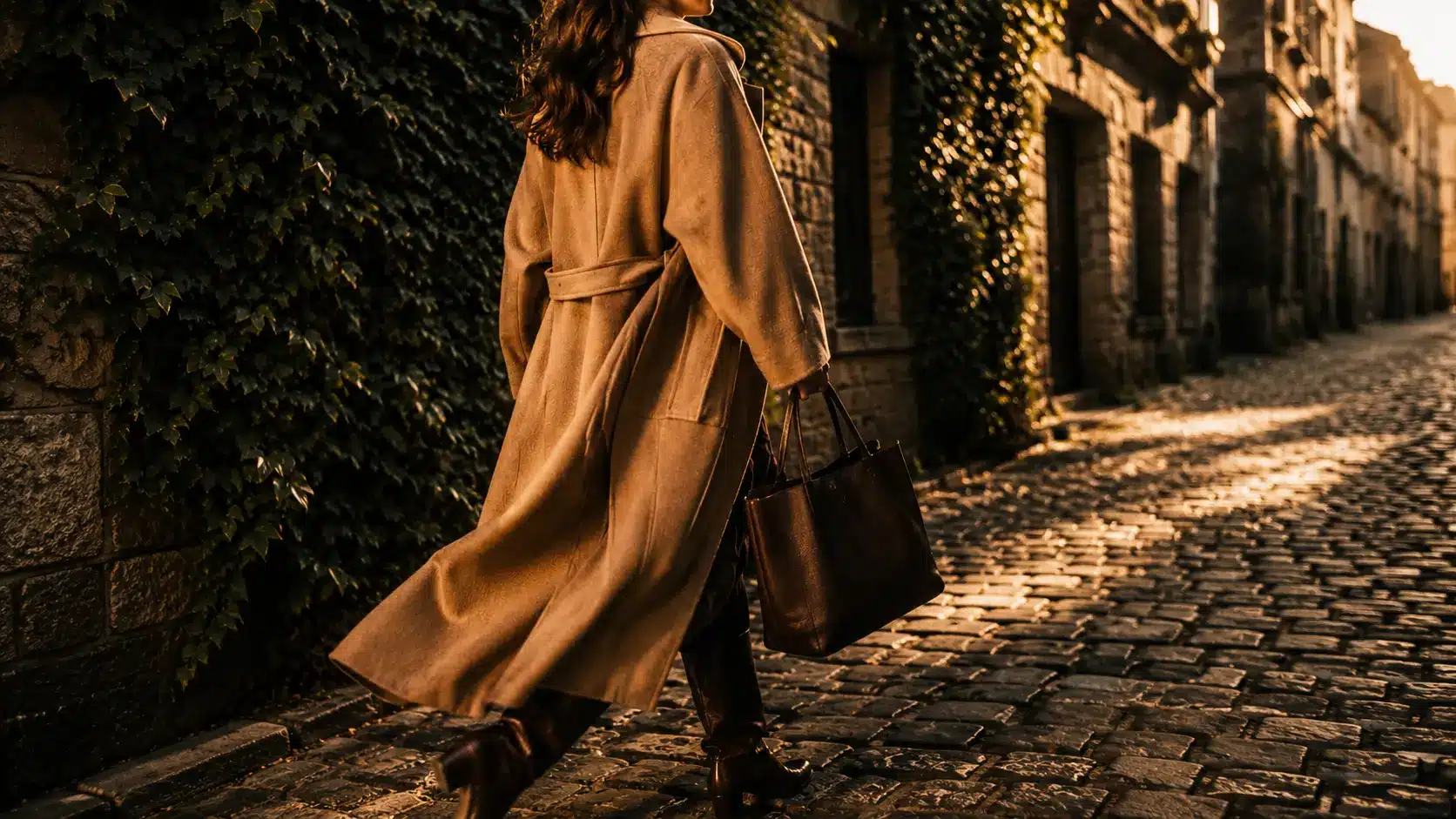
Soft tailoring replaced aggressive branding. Timeless leather bags became more desirable than trend-driven statement pieces. Neutral wardrobes suddenly felt more aspirational than loud seasonal collections. Consumers began investing in pieces designed to age beautifully instead of pieces designed to dominate social media for a month.
This is where quiet luxury and sustainable fashion unexpectedly found common ground.
Because the future of sustainable luxury is no longer only about eco-friendly materials.
It is increasingly about:
- emotional longevity
- timeless craftsmanship
- intentional ownership
- slower consumption
- buying fewer but significantly better pieces
And in many ways, that shift may completely redefine what luxury fashion means moving forward.
Why Fashion Consumers Are Becoming Emotionally Exhausted by Trends
Modern fashion moves faster than ever.
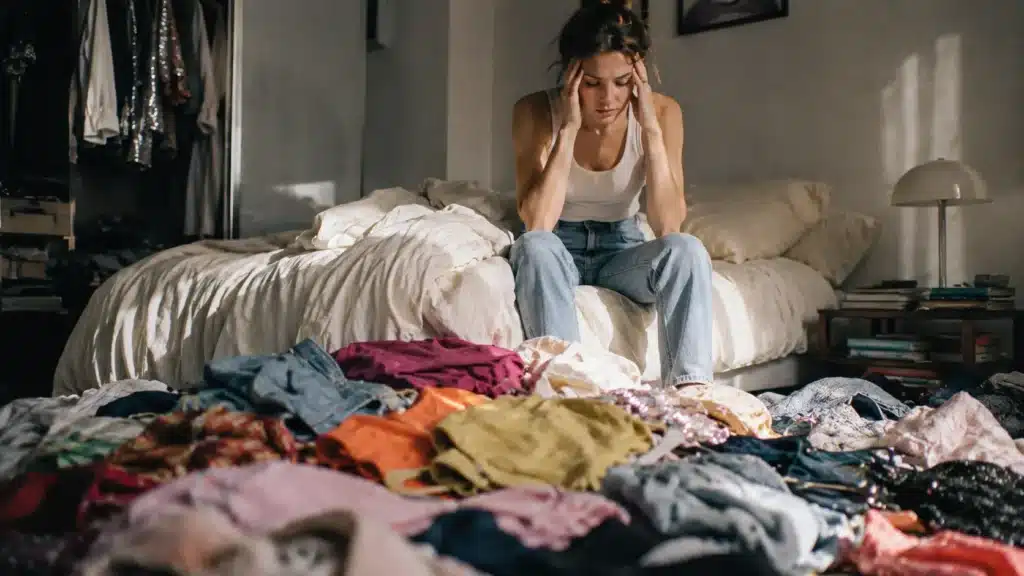
New aesthetics appear weekly. Micro-trends dominate social media for a few months before disappearing. Even luxury fashion has been pulled into this cycle of accelerated consumption, where products are often treated as content rather than long-term possessions.
The problem is not only environmental.
It is psychological.
Many consumers are beginning to experience what fashion psychologists call trend fatigue — the emotional exhaustion created by constantly chasing newness. Wardrobes become crowded, but personal style becomes less clear. People buy more clothing yet feel increasingly disconnected from what they own.
This is one reason quiet luxury resonated so deeply.
Quiet luxury introduced a slower emotional rhythm into fashion. Instead of dressing for visibility, it encouraged dressing for permanence. Instead of trend-driven identity, it focused on refinement, repetition, and timeless styling.
And unintentionally, that philosophy aligned almost perfectly with sustainable fashion principles.
Because fashion becomes more sustainable when people genuinely want to keep wearing their clothes.
Why Timeless Fashion Is Often More Sustainable Than Trend-Driven Fashion
One of the biggest misconceptions in fashion is that sustainability begins and ends with materials.
In reality, longevity matters just as much.
A trend-based garment replaced every season creates significantly more consumption than a beautifully made coat worn for ten years. A handcrafted leather bag carried repeatedly over time often creates less waste than fast-moving accessories designed around temporary aesthetics.
This is why timeless fashion has become such an important part of sustainable luxury conversations.
Timeless pieces encourage:
- repeated wear
- emotional attachment
- wardrobe consistency
- lower replacement cycles
- intentional shopping
And importantly, timeless fashion reduces decision fatigue.
Many consumers are discovering that neutral palettes, seasonless tailoring, and elevated essentials create wardrobes that feel calmer and easier to live with. Instead of constantly reinventing personal style, people are building wardrobes around pieces they trust emotionally.
That emotional reliability is becoming one of the most powerful forms of modern luxury.
What Actually Makes a Luxury Brand Sustainable?
Consumers today are more informed than ever.
People no longer accept vague sustainability messaging without substance. Terms like “eco-conscious” and “green luxury” mean very little unless they are supported by real craftsmanship, transparency, and thoughtful production.
This skepticism is important.
Because no luxury brand is completely perfect.
Leather production still raises environmental questions. Luxury pricing creates exclusivity concerns. Some sustainability initiatives remain more aspirational than transformative. Modern consumers understand this complexity far better than brands sometimes expect.
That is why the definition of sustainable luxury has evolved.
Today, consumers increasingly associate sustainability with brands that prioritize:
- timeless design
- craftsmanship
- repairability
- seasonless styling
- emotional durability
- artisan techniques
- responsible sourcing
- long-term wearability
In other words:
the most sustainable luxury pieces are often the ones people never want to replace.
Why Emotional Durability May Be the Future of Sustainable Fashion
One of the most fascinating ideas emerging in fashion right now is emotional durability.
A piece becomes emotionally durable when someone develops a lasting attachment to it — not because it is trending, but because it continues feeling meaningful over time.
This happens through:
- craftsmanship
- tactile quality
- comfort
- versatility
- memory
- personal identity
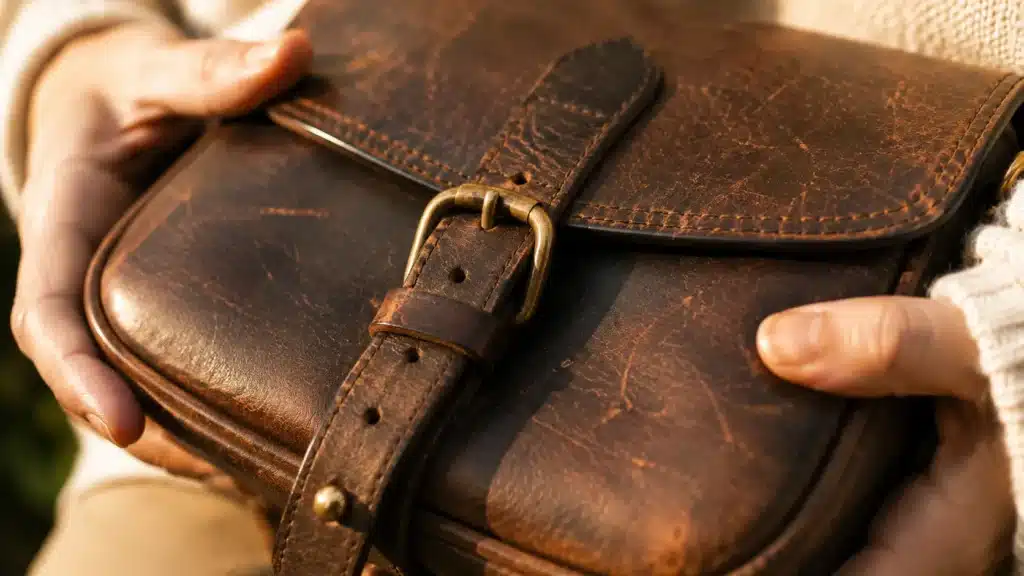
A softly tailored wool coat worn every winter develops emotional familiarity. A handwoven bag carried on vacations becomes connected to experience and memory. A beautifully aged leather accessory gains character instead of losing value.
Fast fashion rarely creates these relationships because it is designed around immediacy rather than attachment.
Craftsmanship creates them naturally.
And this may be one of the most overlooked reasons luxury fashion still matters culturally:
beautifully made products often stay in people’s lives longer.
Chloé and the Human Side of Sustainable Luxury
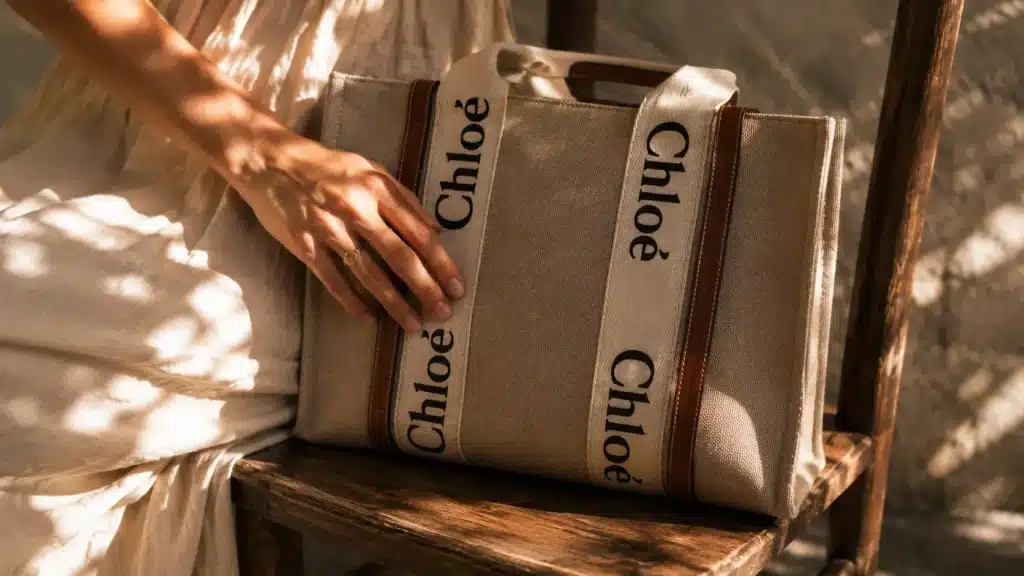
Few luxury brands feel as emotionally warm and naturally feminine as Chloé.
The brand’s soft tailoring, woven textures, relaxed silhouettes, and artisanal details create a form of luxury that feels approachable rather than intimidating. Unlike fashion designed purely for visibility, Chloé pieces often feel connected to movement, travel, sunlight, and everyday elegance.
This emotional softness is part of why consumers connect so strongly with the brand.
The Chloé x Mifuko collaboration became especially important within sustainable fashion conversations because it blended:
- artisan craftsmanship
- handwoven techniques
- ethical partnerships
- natural materials
- quiet sophistication
There is something deeply human about handcrafted accessories. Slight imperfections in weaving, organic textures catching natural light, and the tactile warmth of raffia or woven leather create emotional richness that mass-produced luxury often lacks.
Fashion consumers increasingly crave this kind of authenticity.
And psychologically, natural textures feel calming. Woven surfaces, soft neutrals, and handmade details create visual warmth that trend-heavy fashion often loses. This is one reason woven luxury bags continue dominating:
- coastal luxury aesthetics
- European summer styling
- quiet luxury wardrobes
- capsule dressing
They feel timeless because they feel emotionally grounded.
Brunello Cucinelli and the Philosophy of Buying Less but Better
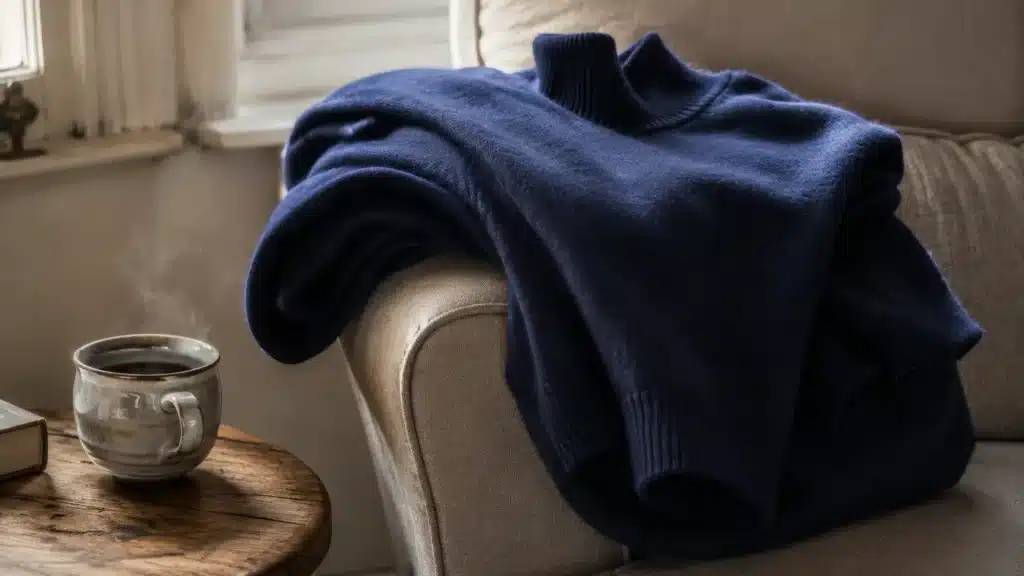
If sustainable luxury had a philosophical center, it might look something like Brunello Cucinelli.
The brand became globally associated with quiet luxury long before the term became fashionable. But what makes Brunello Cucinelli especially interesting is that its appeal goes beyond aesthetics.
The brand represents a slower emotional approach to fashion.
Soft cashmere layers, relaxed tailoring, muted neutrals, and beautifully understated construction create clothing designed to feel comforting rather than performative. Nothing feels rushed. Nothing feels disposable.
And this connects deeply with why modern consumers are gravitating toward slow luxury.
There is also a psychological reason people emotionally attach themselves to soft luxury fabrics like cashmere. Texture affects perception. Soft materials create comfort, familiarity, and emotional calmness in ways synthetic trend-driven fashion rarely achieves.
This is why quiet luxury wardrobes often feel:
- emotionally grounding
- visually calming
- easier to repeat
- less exhausting to maintain
Brunello Cucinelli also reflects one of the most important sustainability ideas in luxury fashion:
fewer pieces, worn repeatedly, often create more meaningful wardrobes than endless trend consumption.
And increasingly, consumers are recognizing that emotional satisfaction matters just as much as environmental responsibility.
Prada and the Modern Side of Sustainable Innovation
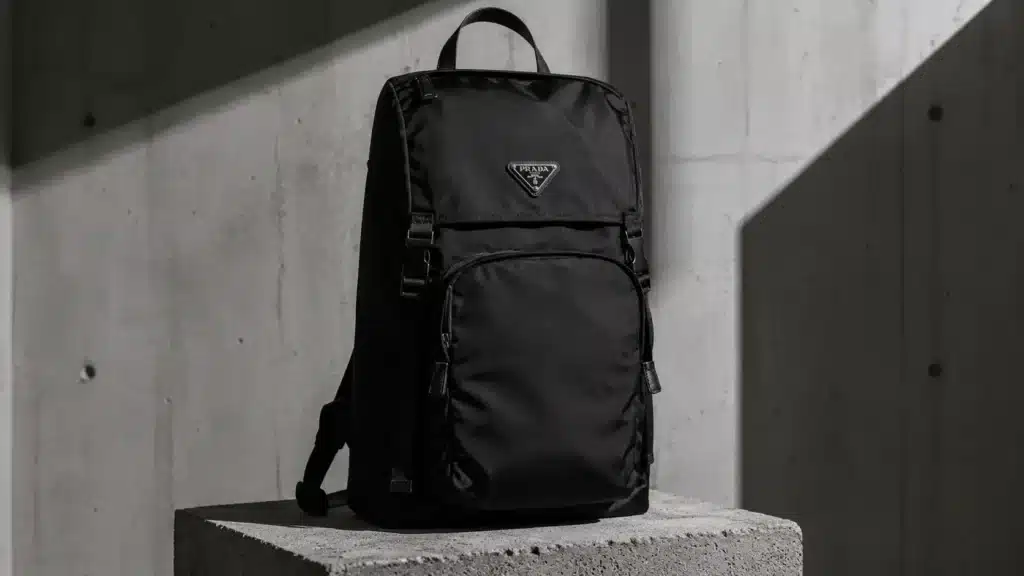
While some brands focus on artisanal heritage, Prada represents a different side of sustainable luxury:
innovation through reinvention.
Prada’s Re-Nylon initiative became one of the most influential sustainability projects in luxury fashion because it challenged old assumptions about what eco-conscious design could look like. Regenerated nylon created from recycled materials was transformed into something sleek, intellectual, and undeniably luxurious.
This mattered culturally because sustainable fashion had often been stereotyped as aesthetically limited.
Prada proved otherwise.
The brand’s minimalist silhouettes, clean lines, and understated precision naturally fit:
- capsule wardrobes
- elevated essentials
- intentional dressing
- modern quiet luxury
At the same time, Prada reflects the complexities of sustainability conversations within luxury fashion. Consumers increasingly appreciate transparency and innovation, but they also ask important questions:
- Is recycled luxury enough?
- Can innovation offset overproduction?
- Is true sustainability possible within luxury fashion?
These are valid questions.
And the fact that consumers are asking them shows how much more sophisticated the sustainability conversation has become.
Bottega Veneta and the Return of Craftsmanship Over Visibility
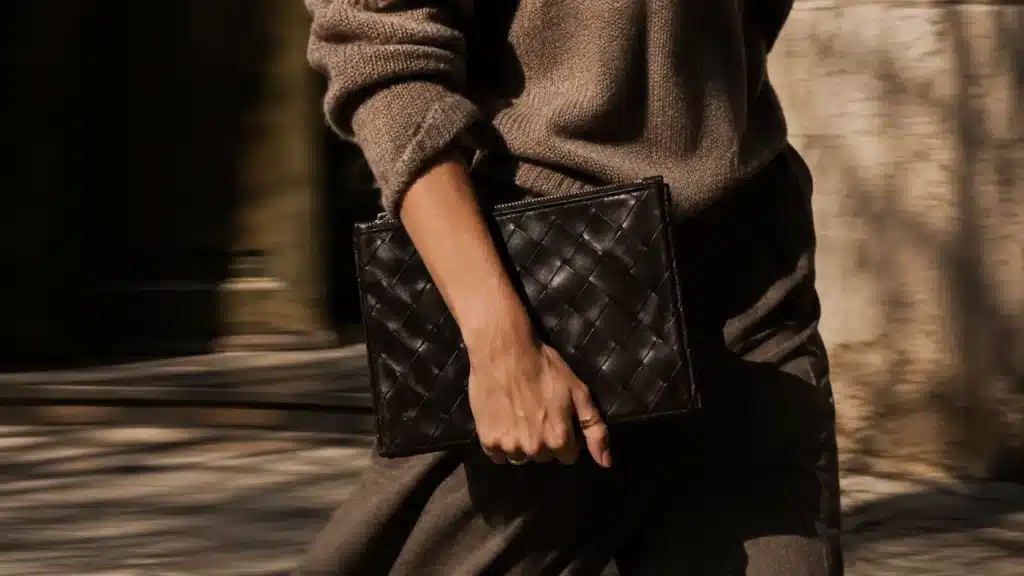
Fashion is becoming quieter.
Not visually — emotionally.
People are slowly moving away from luxury designed primarily for recognition and moving toward products that feel personal, tactile, and deeply crafted.
Few brands embody this shift more naturally than Bottega Veneta.
Its woven leather craftsmanship has become symbolic of modern quiet luxury because it communicates sophistication without relying on obvious branding. The intrecciato weaving technique creates texture, movement, and depth that feel instantly luxurious to people who appreciate craftsmanship.
There is also something psychologically satisfying about leather that ages beautifully.
Unlike trend-based accessories that lose relevance quickly, high-quality woven leather develops softness, subtle wear, and individuality over time. It becomes more personal rather than less valuable.
This is emotional durability in physical form.
And it explains why many consumers now prefer understated leather craftsmanship over visible logos. Quiet luxury accessories often feel more intimate because they are recognized primarily by people who genuinely understand fashion.
That subtlety has become incredibly desirable.
The Row and Why Minimalism Became Emotionally Aspirational
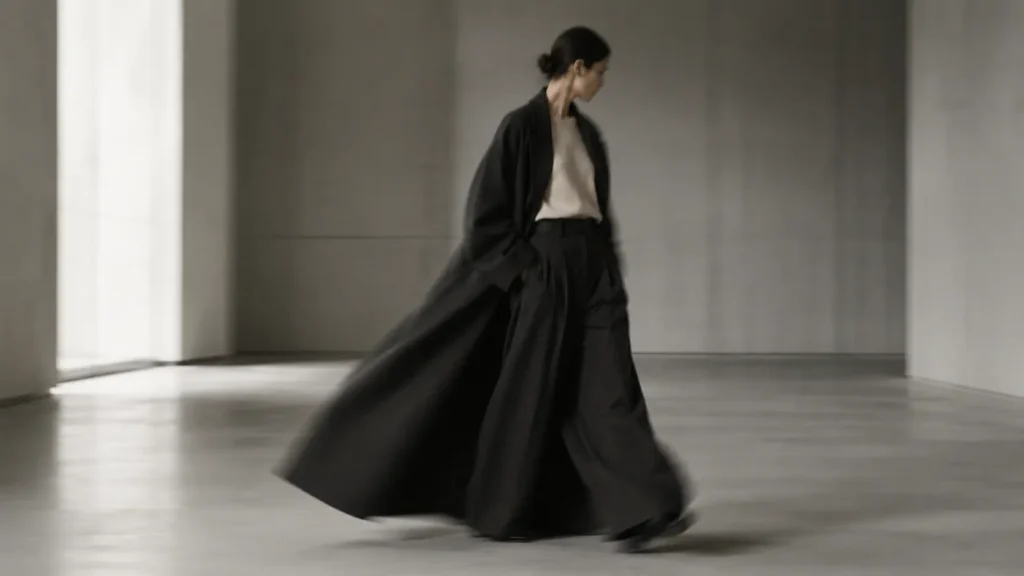
Minimalism used to feel cold.
Now it feels luxurious.
The Row transformed minimalist dressing into something deeply emotional through:
- sculptural tailoring
- oversized silhouettes
- muted palettes
- seasonless proportions
- restrained elegance
Its clothing rarely screams for attention, yet it creates one of the strongest emotional reactions in modern luxury fashion.
Why?
Because minimalist fashion often creates psychological calmness.
Neutral wardrobes reduce visual noise. Timeless silhouettes reduce trend anxiety. Capsule wardrobes simplify decision-making. Repeating beautiful clothing becomes comforting instead of embarrassing.
This emotional shift is one reason minimalist luxury became so culturally influential after years of fashion excess.
The Row represents sustainability through permanence. Its pieces are designed to integrate quietly into life rather than dominate temporary fashion moments.
And in many ways, this reflects where fashion is heading overall:
toward wardrobes built around emotional longevity instead of constant reinvention.
Why Capsule Wardrobes Became the Symbol of Intentional Fashion
One of the strongest fashion movements connected to sustainability is the rise of the capsule wardrobe.
Consumers are increasingly building wardrobes around:
- neutral tailoring
- versatile outerwear
- timeless accessories
- seasonless layers
- elevated essentials
This shift is not only practical.
It is emotional.
People are becoming tired of wardrobes filled with clothing that feels disconnected from their real lives. Capsule wardrobes reduce that disconnect by focusing on pieces that:
- style effortlessly together
- remain wearable long-term
- encourage repetition
- create emotional familiarity
And repetition itself is becoming more accepted within fashion culture.
For years, fashion encouraged constant novelty.
Now, repeating beautifully made clothing is increasingly seen as sophisticated rather than unfashionable.
That cultural shift may be one of the most sustainable things happening in luxury fashion today.
Can Luxury Fashion Ever Be Fully Sustainable?
The honest answer is:
probably not completely.
Luxury fashion still faces important environmental and ethical challenges. Leather sourcing, production scale, exclusivity, and consumption itself remain complicated topics.
But consumers are no longer looking for perfection.
They are looking for progress, transparency, and intentionality.
The brands shaping the future of sustainable luxury are not necessarily the loudest about sustainability. Often, they are the brands creating:
- emotionally lasting products
- timeless wardrobes
- slower consumption habits
- craftsmanship people genuinely value
And perhaps that is the most meaningful shift happening in fashion right now.
Luxury is becoming less about accumulation and more about connection.
The Future of Sustainable Fashion May Feel More Personal Than Political
Fashion is becoming more emotionally aware.
Consumers increasingly want clothing and accessories that:
- feel timeless
- integrate naturally into life
- age beautifully
- reduce emotional exhaustion
- hold personal meaning
This is why quiet luxury resonates so strongly within sustainable fashion conversations.
It encourages:
- slower wardrobes
- repeated wear
- intentional styling
- emotional attachment
- long-term thinking
And while sustainability in fashion is still evolving, one thing feels increasingly clear:
people are becoming less interested in owning more things and more interested in owning better things.
Because the most sustainable luxury pieces are rarely the ones people wear once.
They are the ones people continue reaching for long after trends disappear.
Frequently Asked Questions
Sustainable luxury fashion focuses on timeless craftsmanship, long-term wearability, responsible production, and intentional consumption rather than fast-changing trends. Consumers are increasingly drawn toward quiet luxury brands because they offer elevated essentials, seasonless style, and emotionally durable fashion pieces designed to remain relevant for years instead of a single season.
Luxury fashion is not automatically sustainable, but many luxury brands prioritize higher-quality materials, artisan craftsmanship, repairability, and timeless design. Unlike fast fashion, sustainable luxury fashion often encourages repeated wear and slower consumption. Brands like Chloé, Prada, and Brunello Cucinelli are increasingly investing in ethical production and long-lasting craftsmanship.
Several luxury brands are becoming influential in sustainable fashion through innovation, craftsmanship, and slow fashion principles. Chloé is recognized for artisan collaborations and ethical initiatives, Prada for Re-Nylon innovation, and brands like Bottega Veneta and The Row for timeless craftsmanship and seasonless luxury that supports long-term wardrobe building.
Emotional durability refers to the lasting emotional connection people develop with beautifully made fashion pieces. Luxury accessories and timeless clothing often stay in wardrobes longer because they feel meaningful, versatile, and personal. This reduces overconsumption and makes emotional longevity an important part of modern sustainable luxury fashion.
Yes, capsule wardrobes are widely considered more sustainable because they focus on versatile, seasonless pieces designed for repeated wear. Instead of constantly purchasing trend-based clothing, consumers invest in timeless essentials that style easily together. Capsule wardrobes also reduce decision fatigue and encourage more intentional fashion consumption.
Leather sustainability remains a complex topic, but many fashion experts believe high-quality leather goods can support sustainability through longevity and repairability. Timeless leather bags and accessories are often worn for years, reducing replacement cycles. Brands emphasizing artisan craftsmanship and durable construction are increasingly associated with slow luxury and intentional ownership.









Leave a comment