
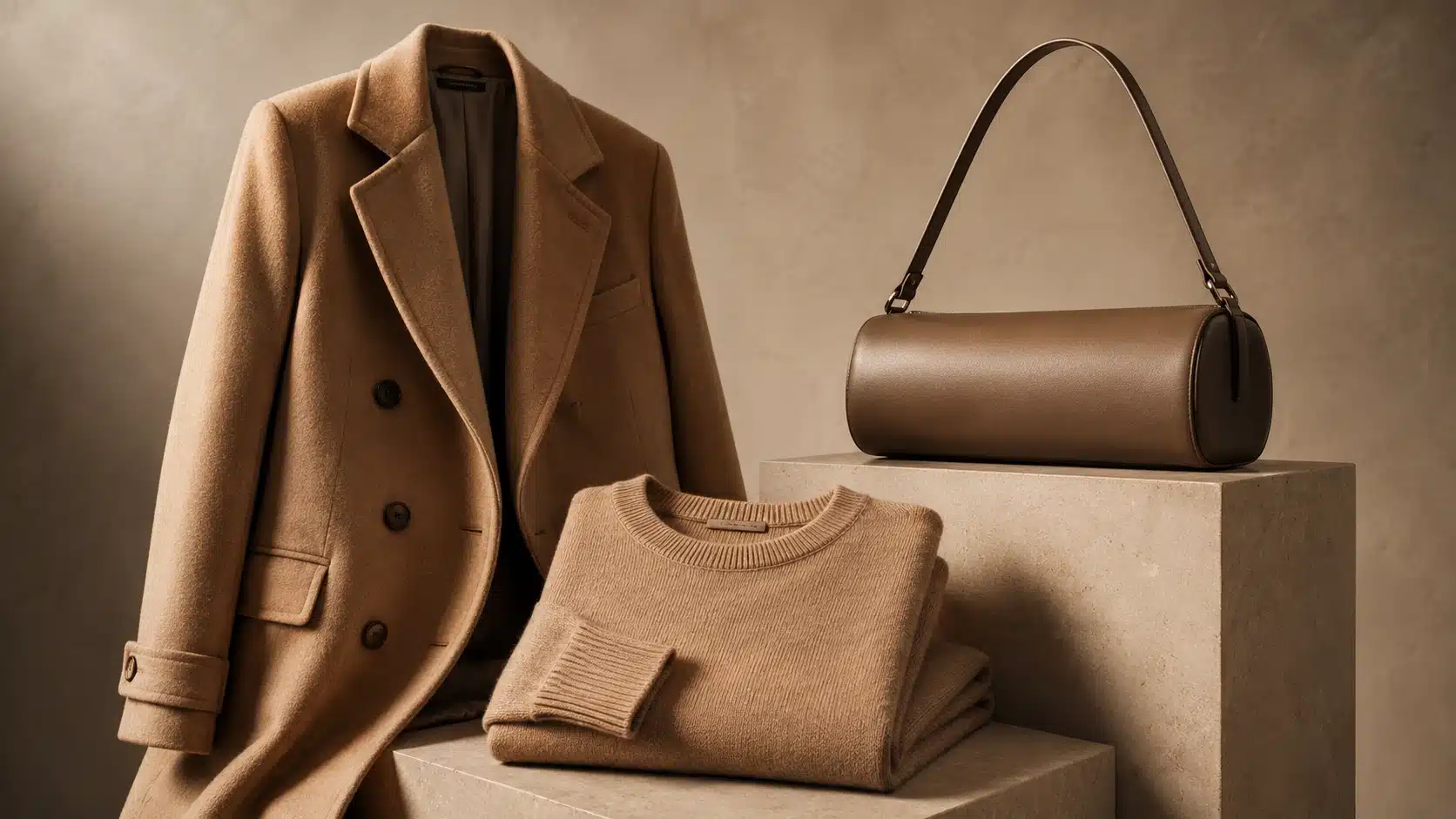
High-Quality Clothing: The Ultimate Buyer’s Guide
Estimated reading time: 27 minutes
Table of contents
The Ultimate Buyer’s Guide to Choosing High-Quality Clothing
Walk into almost any clothing store today, and you’ll quickly discover that many garments look remarkably similar.
Two wool coats may share the same color. Two white shirts may appear nearly identical on the hanger. Two leather handbags might feature comparable designs, while two cashmere sweaters can feel equally soft during a quick touch test.
Yet after six months of regular wear, one garment may still look elegant and retain its shape, while the other begins to pill, stretch, fade, or lose its structure.
The difference isn’t always the brand.
And surprisingly, it isn’t always the price either.
The real difference lies in quality.
Learning how to recognize high-quality clothing before making a purchase is one of the most valuable skills any shopper can develop. It helps you avoid disappointing purchases, reduce unnecessary spending, build a wardrobe that truly reflects your personal style, and make more thoughtful buying decisions.
Today’s fashion market offers more choices than ever before. Fast fashion retailers introduce new collections every few weeks, online marketplaces make shopping effortless, and social media constantly encourages consumers to chase the latest trends. While having endless options sounds exciting, it also makes choosing the right clothing increasingly difficult.
Many shoppers have experienced the same frustration.
You buy a jacket because it looks stylish online.
A sweater feels luxurious in the fitting room.
A handbag seems like an incredible bargain during a seasonal sale.
But after a few wears, the excitement fades. The fabric begins to pill, the seams loosen, the color dulls, or the item simply doesn’t fit into the rest of your wardrobe the way you imagined.
These aren’t just disappointing purchases—they’re expensive lessons.
Fortunately, buying better clothing isn’t about becoming a fashion expert or spending thousands on designer labels.
It’s about understanding what makes one garment genuinely better than another.
Once you know what to look for, you’ll start evaluating clothing differently. Instead of focusing only on the price tag or brand name, you’ll notice the fabric, construction, stitching, fit, durability, and craftsmanship that determine whether a piece deserves a place in your wardrobe.
That’s exactly what this guide is designed to help you do.
Whether you’re shopping for a premium wool coat, a timeless cashmere sweater, a tailored blazer, quality leather footwear, or simply trying to build a wardrobe that lasts longer, the principles in this guide will help you shop with greater confidence.
By the end, you’ll know how to identify high-quality clothing, avoid common buying mistakes, understand which materials offer the best long-term value, and make purchases you’ll continue enjoying for years instead of months.
Why Buying High-Quality Clothing Matters More Than Ever
For decades, fashion was largely driven by seasonal collections. Today, trends move faster than ever.
A style that dominates social media this month may feel outdated before the season ends. Retailers respond by producing new collections at remarkable speed, encouraging consumers to purchase more clothing more frequently.
While this has made fashion more accessible, it has also changed the way many people shop.
Instead of asking,
“Will I love wearing this five years from now?”
people often ask,
“Does this look good today?”
This shift has contributed to wardrobes filled with impulse purchases, duplicate items, and clothing that rarely gets worn.
Ironically, despite owning more clothes than previous generations, many people still feel like they have nothing to wear.
The issue isn’t necessarily quantity.
It’s quality.
A wardrobe built around thoughtfully selected, well-made garments works differently.
Every piece has a purpose and purchase complements existing clothing. Every item contributes to a personal style rather than simply following a passing trend.
This approach doesn’t mean buying fewer clothes simply for the sake of minimalism.
It means buying smarter.
High-quality clothing offers several advantages that become increasingly noticeable over time.
Better Durability
Quality garments are designed to withstand regular wear.
Superior fabrics, stronger stitching, and better construction help clothing maintain its appearance long after lower-quality alternatives begin showing signs of wear.
Greater Comfort
Premium materials generally feel better against the skin, regulate temperature more effectively, and improve comfort throughout the day.
Whether it’s breathable linen in summer or soft cashmere during winter, quality fabrics enhance the overall wearing experience.
Improved Fit
Well-constructed garments often drape more naturally and retain their intended shape.
Rather than stretching, twisting, or becoming misshapen after repeated washing, they continue fitting the way they were designed.
Better Cost Per Wear
One of the smartest ways to evaluate clothing is through cost per wear.
A garment worn hundreds of times often provides greater value than several inexpensive alternatives that require frequent replacement.
Instead of judging clothing by its initial price, experienced shoppers consider how much use they’ll realistically get over its lifetime.
More Sustainable Shopping
Buying clothing that lasts naturally reduces unnecessary consumption.
When garments remain wearable for years instead of months, fewer resources are required for replacements, making quality-focused shopping a more responsible long-term approach.
The Biggest Mistake Most Shoppers Make
Contrary to popular belief, the biggest mistake isn’t buying inexpensive clothing.
The biggest mistake is assuming that price alone reflects quality.
Many consumers believe expensive clothing must automatically be better.
Others assume affordable clothing can never be well made.
Neither assumption is entirely accurate.
Some premium brands justify their pricing through exceptional craftsmanship, superior materials, and meticulous attention to detail.
Others rely more heavily on branding and marketing.
Likewise, certain reasonably priced garments offer impressive construction and durability when evaluated carefully.
The smartest shoppers don’t rely solely on labels.
They inspect the garment itself, examine the fabric, study the stitching, assess the construction and evaluate versatility.
Most importantly, they ask one simple question before purchasing:
“Does this garment deserve a place in my wardrobe?”
That question shifts your mindset from impulsive shopping to intentional buying.
Instead of chasing trends, you’re investing in clothing that supports your lifestyle, complements your existing wardrobe, and continues providing value season after season.
The Foundation of Every Great Garment: Understanding Fabric Quality
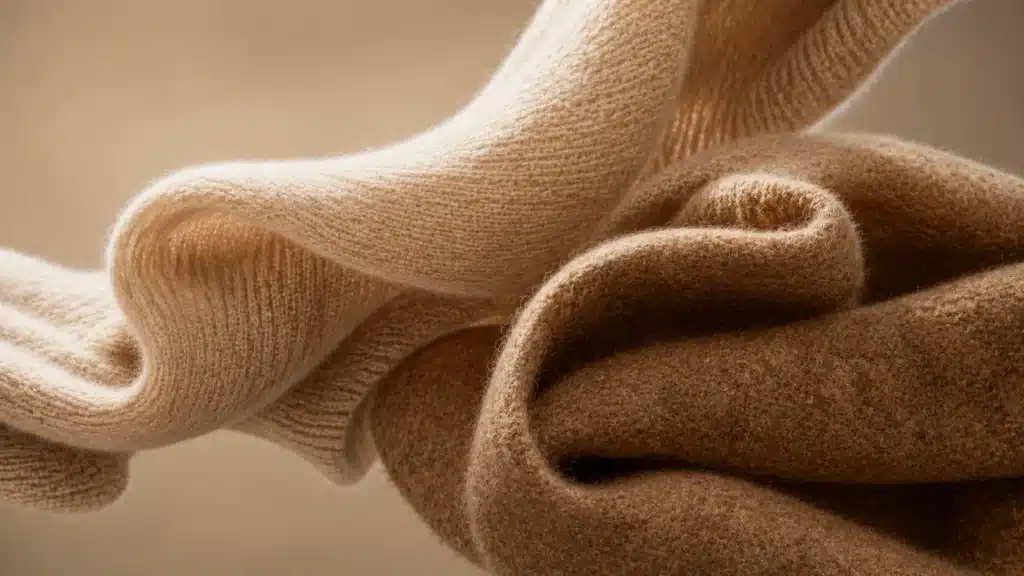
If there is one lesson every experienced fashion buyer learns, it’s this:
The quality of a garment begins long before it’s stitched together.
It begins with the fabric.
Fabric determines how clothing feels, how it drapes on the body, how it responds to repeated washing, how comfortable it is throughout the day, and ultimately, how long it remains a valuable part of your wardrobe.
Unfortunately, fabric is also one of the most overlooked aspects of clothing shopping.
Many consumers choose garments based on color, design, price, or brand without ever looking at the material composition listed on the care label. While these factors influence appearance, the fabric itself often has the greatest impact on durability and long-term satisfaction.
Before purchasing any garment, make it a habit to ask one simple question:
“What is this made from?”
The answer can tell you far more about the garment than its price tag ever will.
Natural Fibers vs. Synthetic Fibers: What’s the Difference?
One of the first things you’ll notice when reading clothing labels is the fiber composition.
Most garments are made from either natural fibers, synthetic fibers, or a blend of both.
Understanding the difference helps you make informed decisions based on your lifestyle, climate, and wardrobe needs.
Natural Fibers
Natural fibers are derived from plants or animals and are valued for their comfort, breathability, and timeless appeal.
Common natural fibers include:
- Wool
- Merino wool
- Cashmere
- Cotton
- Organic cotton
- Linen
- Silk
- Leather
These materials are often associated with premium clothing because they generally offer better temperature regulation, improved comfort, and a more luxurious feel.
However, it’s important to remember that not all natural fibers are created equal.
For example, the quality of cotton can vary significantly depending on fiber length and weaving techniques. Likewise, wool garments differ based on the type of wool used, fabric weight, and finishing processes.
Quality depends on craftsmanship as much as raw material.
Synthetic Fibers
Synthetic materials are engineered to provide specific performance characteristics.
Common examples include:
- Polyester
- Nylon
- Acrylic
- Elastane (Spandex)
- Rayon
- Viscose
These fabrics are often lighter, wrinkle-resistant, quick-drying, or stretchable.
While synthetic fibers sometimes receive criticism, they are not automatically inferior.
In fact, many premium garments intentionally blend natural and synthetic fibers to improve durability, flexibility, wrinkle resistance, or moisture management.
The goal isn’t to avoid synthetic materials altogether.
The goal is understanding why they’re included.
A thoughtfully designed wool coat with a small percentage of performance fibers may actually maintain its shape better than one made from wool alone.
Similarly, premium activewear frequently relies on advanced synthetic fabrics because they perform better during movement and exercise.
Quality comes from intelligent construction—not simply from choosing one category of material over another.
The Best Fabrics for Long-Lasting Clothing
Certain materials have consistently earned a reputation for exceptional longevity when cared for properly.
Understanding their strengths makes it easier to choose clothing that delivers lasting value.
Wool
Wool remains one of the most respected fabrics in fashion.
It offers excellent insulation, natural wrinkle resistance, impressive durability, and remarkable versatility.
A well-made wool coat can remain stylish for many years, making it one of the smartest wardrobe investments available.
Wool also regulates temperature surprisingly well, keeping you warm in cold weather while remaining breathable enough for changing conditions.
Cashmere
Cashmere is prized for its extraordinary softness, lightweight warmth, and refined appearance.
High-quality cashmere provides exceptional comfort while maintaining an elegant drape that works beautifully in both casual and sophisticated wardrobes.
Although cashmere requires thoughtful care, a well-maintained sweater can remain a favorite for years, making it an outstanding example of investment clothing.
Linen
Linen has become increasingly popular among consumers seeking breathable, comfortable clothing for warmer climates.
Its natural texture, moisture-wicking ability, and relaxed elegance make it an excellent choice for shirts, trousers, dresses, and lightweight jackets.
While linen wrinkles more easily than some fabrics, many consider this part of its timeless character rather than a flaw.
Cotton
Cotton continues to be one of the world’s most widely used clothing materials because of its versatility and comfort.
Higher-quality cotton generally feels softer, lasts longer, and resists pilling better than lower-grade alternatives.
Premium cotton shirts, knitwear, and everyday essentials often provide an excellent balance between comfort, durability, and affordability.
Leather
When properly cared for, genuine leather develops character over time instead of wearing out.
Whether used for handbags, footwear, jackets, or belts, quality leather often becomes more attractive as it ages.
Rather than looking worn, it develops a rich patina that reflects years of use.
This is one reason leather remains one of the most valued materials for timeless wardrobe accessories.
Why Fabric Blends Can Sometimes Be Better
Many shoppers believe that 100% natural fibers always represent the highest quality.
This isn’t necessarily true.
Modern textile engineering has shown that carefully designed blends can combine the strengths of multiple fibers while minimizing their weaknesses.
For example:
- Cotton blended with elastane can improve flexibility and comfort.
- Wool blended with performance fibers may improve durability.
- Linen blends can reduce wrinkling while maintaining breathability.
Instead of focusing solely on percentages, evaluate whether the blend supports the garment’s intended purpose.
A travel blazer may benefit from wrinkle-resistant fibers.
Performance trousers may require added stretch.
Everyday knitwear may perform better with carefully balanced fabric blends.
The smartest shoppers consider function as well as composition.
How to Read Clothing Labels Like an Expert
Most clothing labels contain far more useful information than many shoppers realize.
Rather than removing the tags immediately after purchase, spend a few moments understanding what they reveal.
Pay attention to:
Fiber Composition
This tells you exactly which materials make up the garment.
Knowing whether you’re buying wool, cotton, polyester, or blended fabrics helps set realistic expectations for comfort, durability, and maintenance.
Care Instructions
Proper care is one of the biggest factors influencing how long clothing lasts.
A premium garment cared for incorrectly may deteriorate quickly, while a well-maintained piece can remain beautiful for years.
Always check whether the item requires hand washing, dry cleaning, or gentle machine washing before making your purchase.
Country of Manufacture
While manufacturing location alone doesn’t determine quality, transparency about production often reflects a brand’s commitment to responsible manufacturing practices.
Certifications
Some garments may include certifications related to organic fibers, responsible wool production, recycled materials, or safer textile processing.
Although certifications shouldn’t be the only factor in your decision, they can provide additional insight into manufacturing standards.
Reading clothing labels takes less than a minute.
Yet those few seconds can help you avoid costly purchasing mistakes and better understand the garment you’re bringing into your wardrobe.
Garment Construction: The Hidden Details That Separate Quality Clothing from the Rest
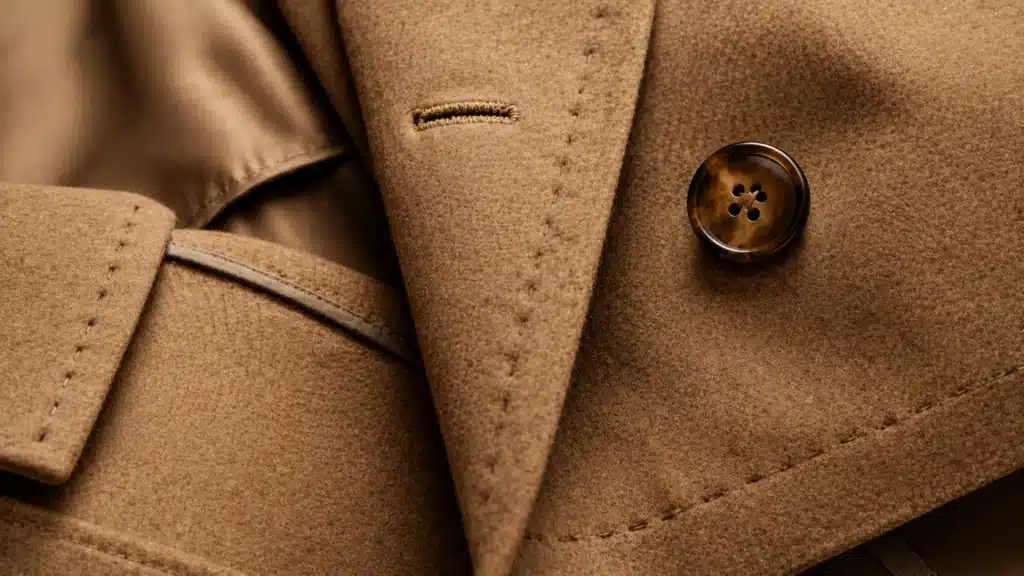
Once you’ve evaluated the fabric, the next step is to look beyond the surface.
A garment may be made from premium wool, soft cashmere, or high-quality cotton, but if it’s poorly constructed, it won’t perform the way you expect. Likewise, a well-constructed garment made from thoughtfully chosen materials can often outperform a more expensive alternative that cuts corners during manufacturing.
This is why experienced shoppers rarely judge clothing by appearance alone.
Instead, they inspect how it’s made.
Garment construction is the invisible foundation that determines how clothing fits, moves, ages, and withstands everyday wear. It’s the difference between a blazer that maintains its shape after years of use and one that begins sagging after a single season.
Fortunately, you don’t need professional tailoring experience to recognize quality craftsmanship.
Once you know what to look for, evaluating clothing becomes surprisingly straightforward.
Step 1: Examine the Stitching
One of the easiest ways to identify high-quality clothing is by inspecting the stitching.
Strong stitching holds every part of a garment together. Weak stitching eventually leads to loose seams, uneven hems, and premature wear.
When shopping in-store, don’t hesitate to examine the inside of the garment. This is often where craftsmanship becomes most obvious.
Look for:
- Straight, even stitch lines
- Consistent stitch spacing
- Reinforced seams in high-stress areas
- Neatly finished hems
- No loose or hanging threads
Uneven stitching isn’t just a cosmetic issue.
It often indicates rushed manufacturing and lower production standards.
Premium clothing generally reflects greater attention to detail because every stitch contributes to the garment’s durability and overall appearance.
Step 2: Inspect the Seams
Seams experience constant movement throughout the day.
Whether you’re walking, sitting, reaching, or carrying a bag, seams absorb much of the stress placed on clothing.
Quality garments usually feature:
- Smooth seam alignment
- Strong seam reinforcement
- Clean finishing
- No puckering or twisting
If possible, gently stretch the seam.
A properly constructed seam should remain stable without exposing gaps between stitches.
Twisted or uneven seams can cause clothing to lose its intended shape after repeated washing and wear.
Step 3: Check the Lining
The lining is one of the clearest indicators of garment quality, especially in structured clothing.
Blazers, coats, jackets, skirts, and dresses often rely on lining to improve comfort, structure, and durability.
A quality lining should:
- Feel smooth
- Sit flat inside the garment
- Allow easy movement
- Support the outer fabric without pulling
Poor-quality lining often wrinkles excessively, shifts inside the garment, or creates unnecessary bulk.
Although it’s hidden from view, lining significantly influences how clothing feels and performs throughout the day.
When evaluating premium outerwear such as a wool coat or tailored blazer, always inspect the lining as carefully as the exterior.
Step 4: Pay Attention to Buttons, Zippers, and Hardware
Small details often reveal the biggest differences.
Many shoppers focus entirely on the fabric while overlooking components that experience daily use.
Quality garments usually feature hardware that feels substantial rather than lightweight or flimsy.
Check:
- Buttons attached securely
- Buttonholes finished cleanly
- Smooth-operating zippers
- Strong snaps and fasteners
- Well-finished buckles
If a zipper catches repeatedly or buttons feel loose before purchase, it’s unlikely they’ll improve with regular wear.
These details may seem minor individually, but collectively they demonstrate the manufacturer’s commitment to craftsmanship.
The same principle applies to leather handbags and premium accessories.
Well-made hardware not only improves functionality but also contributes to a product’s long-term durability.
Step 5: Evaluate the Overall Structure
A garment should maintain its shape naturally without appearing stiff or distorted.
Hold the garment up.
Does it hang evenly?
Do both sides appear symmetrical?
Are the shoulders balanced?
Does the collar sit correctly?
These visual cues provide valuable insight into construction quality.
Structured garments such as blazers and coats should feel supportive without restricting movement.
Well-made clothing often looks polished even before it’s worn because its construction helps maintain clean lines and proper proportions.
Why Fit Is More Important Than Following Trends
Many shoppers assume fashionable clothing automatically creates great style.
In reality, fit has a far greater impact than trends.
Even the finest fabric and most expensive construction cannot compensate for poor fit.
Quality clothing is often designed with greater attention to proportion, allowing garments to drape naturally rather than pulling, bunching, or twisting during movement.
When trying on clothing, pay attention to how it behaves as you move.
Ask yourself:
- Can I comfortably raise my arms?
- Does the fabric pull across the shoulders?
- Do the sleeves fall naturally?
- Does the garment return to its original shape after movement?
Comfort and structure should work together.
A well-made garment should feel supportive without feeling restrictive.
Tailoring: The Secret Behind Timeless Style
One reason premium clothing often appears more elegant is thoughtful tailoring.
Tailoring isn’t simply about achieving a slimmer silhouette.
It’s about creating balance.
Well-tailored clothing follows the body’s natural proportions while allowing enough room for comfortable movement.
You’ll often notice this in:
- Tailored blazers
- Wool coats
- Trousers
- Dresses
- Structured shirts
The result is clothing that appears refined without looking forced.
Many fashion professionals agree that proper fit can elevate even relatively simple garments.
Rather than constantly chasing seasonal trends, investing in timeless clothing with excellent tailoring often creates a wardrobe that remains stylish year after year.
Red Flags That Should Make You Think Twice
Knowing what to avoid is just as important as knowing what to buy.
Before purchasing any garment, watch for these common warning signs:
Loose Threads
A few stray threads might seem insignificant, but they can indicate inconsistent manufacturing standards.
Uneven Stitching
Crooked seams and irregular stitch lengths often suggest rushed production.
Pattern Mismatch
Checks, stripes, and plaid fabrics should align neatly across seams.
Misaligned patterns are frequently one of the first details experienced shoppers notice.
Thin or Poorly Attached Lining
Quality garments should feel complete inside and out.
An inferior lining often reduces comfort while shortening the garment’s lifespan.
Loose Buttons or Weak Hardware
Buttons, zippers, and fasteners should feel secure before the garment is ever worn.
If they already feel fragile, they’re unlikely to become more reliable with use.
Poor Shape Retention
If a garment already appears stretched, twisted, or uneven on the hanger, it probably won’t improve after purchase.
Choosing high-quality clothing isn’t about becoming overly critical.
It’s about recognizing details that influence long-term performance.
The more you practice evaluating craftsmanship, the easier it becomes to distinguish between clothing that simply looks attractive and clothing that’s genuinely built to last.
Luxury vs. Quality: Understanding the Difference Before You Buy
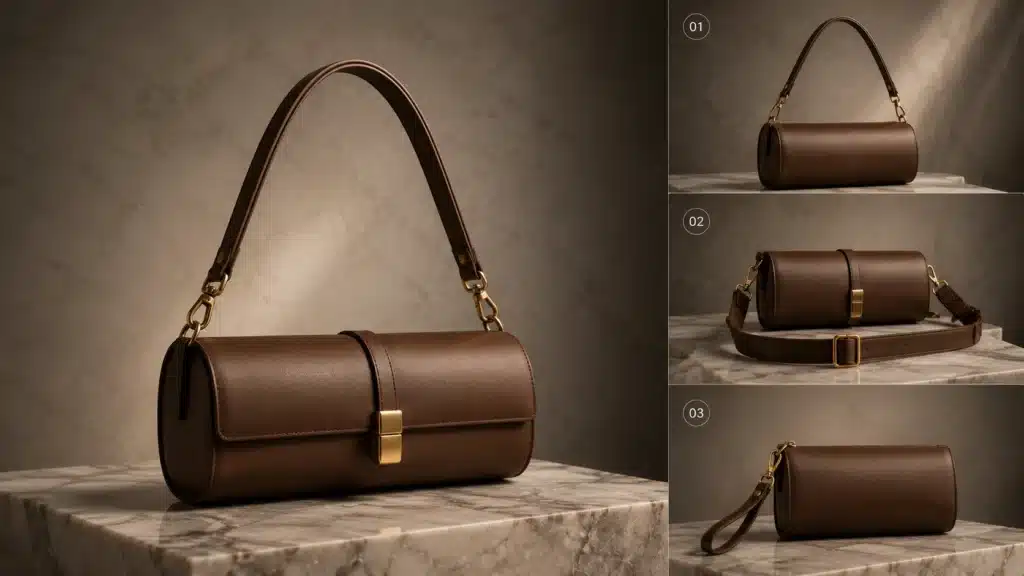
One of the biggest misconceptions in fashion is that luxury automatically means quality.
While many luxury brands are known for exceptional craftsmanship and premium materials, a high price tag alone does not guarantee that a garment is better made. Likewise, some lesser-known brands produce remarkably well-constructed clothing without carrying a luxury label.
This distinction is important because it helps you become a more confident and informed shopper.
When evaluating clothing, don’t ask:
“Is this expensive?”
Instead ask:
“What am I paying for?”
Sometimes you’re paying for decades of craftsmanship, carefully sourced materials, and skilled tailoring.
Other times, you’re paying for marketing, exclusivity, or brand recognition.
The smartest shoppers understand the difference.
Rather than purchasing based solely on logos or trends, they focus on quality indicators such as fabric, construction, fit, versatility, and longevity.
When those factors come together, a garment often becomes one of the hardest-working pieces in a wardrobe—regardless of the name on its label.
The Rise of Quiet Luxury and Timeless Fashion
Over the past few years, fashion has seen a noticeable shift.
Consumers are moving away from oversized logos and trend-driven purchases toward clothing that feels refined, versatile, and enduring.
This movement is often referred to as quiet luxury.
Quiet luxury isn’t about dressing plainly or avoiding beautiful clothing.
It’s about appreciating craftsmanship over branding.
A beautifully tailored blazer.
A perfectly cut wool coat.
A soft cashmere sweater.
A timeless leather handbag.
These pieces rarely demand attention through flashy branding, yet they often leave the strongest impression because of their quality, fit, and understated elegance.
Building a wardrobe around timeless clothing rather than seasonal trends also makes everyday dressing significantly easier.
Instead of replacing your wardrobe every year, you gradually build a collection of versatile essentials that continue working together regardless of changing fashion cycles.
Which Clothing Pieces Are Worth Spending More On?
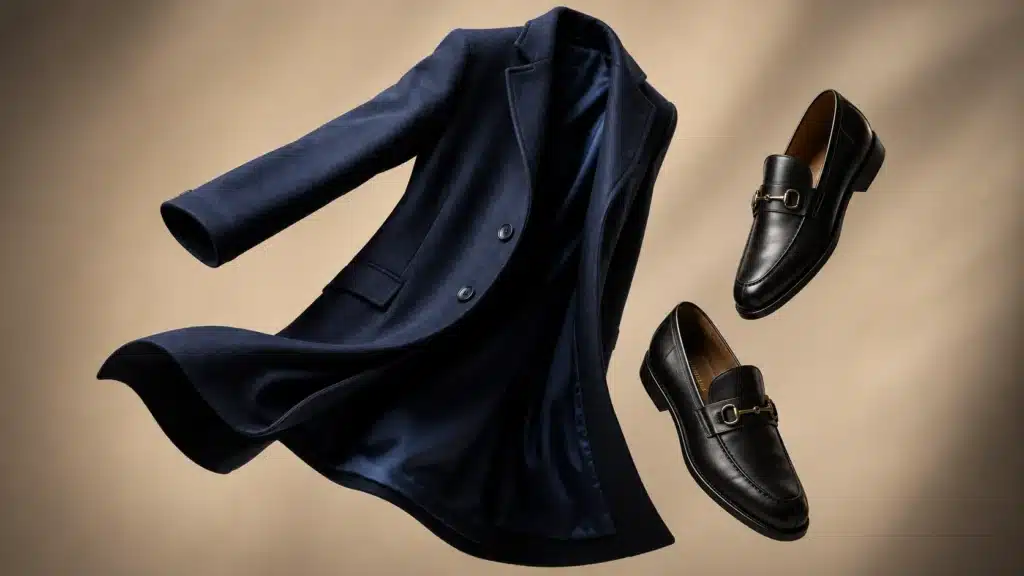
Not every item in your wardrobe needs to be an investment.
However, certain pieces are worn so frequently that choosing better quality can provide exceptional long-term value.
Here are the categories that are often worth prioritizing.
Wool Coats
A premium wool coat is one of the most versatile outerwear investments you can make.
Its ability to transition effortlessly between casual, professional, and formal occasions makes it an essential piece for many wardrobes.
When evaluating a wool coat, look for:
- Quality fabric composition
- Strong lining
- Clean tailoring
- Reinforced stitching
- Comfortable movement
A timeless design in classic shades such as black, camel, navy, or charcoal is likely to remain stylish for many years.
Cashmere Sweaters
Cashmere continues to be one of fashion’s most sought-after natural fibers for good reason.
It offers remarkable softness, lightweight warmth, and timeless elegance.
When shopping for cashmere, pay attention to:
- Fabric feel
- Knit consistency
- Shape retention
- Construction quality
- Care recommendations
A well-made cashmere sweater can become one of the most frequently worn pieces in your wardrobe, making it an excellent example of quality clothing that delivers outstanding value over time.
Tailored Blazers
Few garments offer as much versatility as a well-tailored blazer.
It can elevate denim, complete business attire, or add structure to dresses and skirts.
A quality blazer should feel balanced across the shoulders, allow comfortable movement through the arms, and maintain its shape throughout the day.
Because of its versatility, it often becomes one of the highest cost-per-wear items in a thoughtfully curated wardrobe.
Leather Handbags
A leather handbag is more than an accessory.
For many people, it’s an everyday essential.
Rather than following short-lived trends, consider designs that combine functionality with timeless appeal.
Pay attention to:
- Leather quality
- Stitching
- Hardware
- Interior organization
- Comfortable handles
- Practical size
A thoughtfully chosen handbag often complements hundreds of outfits over its lifetime, making it one of the smartest long-term wardrobe purchases.
Quality Leather Footwear
Footwear experiences constant daily use.
Walking, commuting, standing, and changing weather conditions all place stress on shoes.
Quality leather footwear often provides:
- Better comfort
- Improved durability
- Greater breathability
- Easier maintenance
- Longer lifespan
When cared for properly, many leather shoes and boots continue looking elegant for years while developing character through regular wear.
A Simple Clothing Buying Checklist
Whenever you’re shopping for new clothing, pause before making your purchase and ask yourself these questions.
Quality materials often feel substantial without being unnecessarily heavy.
Even stitching usually reflects better craftsmanship.
Quality clothing should move naturally with your body rather than restricting movement.
Versatility is one of the strongest indicators of long-term value.
Timeless clothing generally outperforms trend-driven purchases because it continues fitting both your wardrobe and your lifestyle.
One thoughtful purchase often contributes more to your wardrobe than several impulse buys.
Saving these questions on your phone before shopping can help you make more intentional decisions and reduce unnecessary purchases.
Common Buying Mistakes That Can Cost You More
Even experienced shoppers occasionally make mistakes.
Fortunately, many of the most common ones are easy to avoid.
Shopping Only by Price
Low prices can be tempting, while high prices can appear reassuring.
Neither should replace careful evaluation.
Always inspect the garment itself.
Ignoring Fabric Composition
Many shoppers never read clothing labels.
Understanding fiber composition is one of the simplest ways to evaluate comfort, durability, and maintenance before buying.
Buying Trends Instead of Essentials
Fashion trends are exciting, but timeless wardrobe staples often provide greater long-term satisfaction.
A wardrobe built around versatile essentials gives you far more outfit combinations than one filled with seasonal statement pieces.
Forgetting About Care Requirements
Some garments require specialized maintenance.
Before purchasing, consider whether you’re willing to follow the recommended care instructions.
Quality clothing lasts longest when it’s properly maintained.
Buying Without a Wardrobe Plan
Every new purchase should work with clothing you already own.
If a garment only matches one outfit or serves one occasion, its long-term value may be limited.
Building a quality wardrobe isn’t about buying more.
It’s about making every purchase count.
Build a High-Quality Wardrobe One Piece at a Time
One of the biggest myths in fashion is that building a quality wardrobe requires replacing everything you own.
It doesn’t.
In fact, one of the smartest approaches is to improve your wardrobe gradually.
A thoughtfully curated wardrobe isn’t built during a single shopping trip—it evolves through intentional decisions made over months and years.
Instead of asking yourself,
“What should I buy today?”
begin asking,
“What does my wardrobe genuinely need?”
That simple shift changes everything.
Rather than filling your closet with impulse purchases, you begin selecting pieces that complement what you already own, solve a practical need, and continue serving you season after season.
If you’re just getting started, begin with the clothing you wear most often.
Perhaps it’s a coat you reach for every winter, a blazer you wear to work, comfortable leather shoes, or a versatile knit that works across different occasions.
These frequently worn items usually provide the highest return on your investment because they become the foundation of countless outfits.
As your wardrobe develops, every new addition should improve the overall collection rather than simply increase the number of clothes you own.
Why Cost Per Wear Is the Smartest Way to Measure Value
Many shoppers judge clothing by one number:
The price tag.
Experienced shoppers consider another number that’s often far more important:
Cost per wear.
Cost per wear simply means evaluating how much value you receive every time you wear a garment.
Imagine purchasing a jacket for $120 that you wear six times before replacing it.
Now compare it to a premium wool coat that costs considerably more but becomes your go-to outerwear every winter for many years.
Although the second purchase required a greater initial investment, it often provides better long-term value because it continues serving its purpose without needing frequent replacement.
This doesn’t mean every expensive purchase automatically offers better value.
Rather, it encourages you to think beyond the initial price and consider durability, versatility, comfort, and longevity.
When viewed through this perspective, quality clothing becomes less about spending more and more about spending wisely.
How to Care for High-Quality Clothing So It Lasts Longer
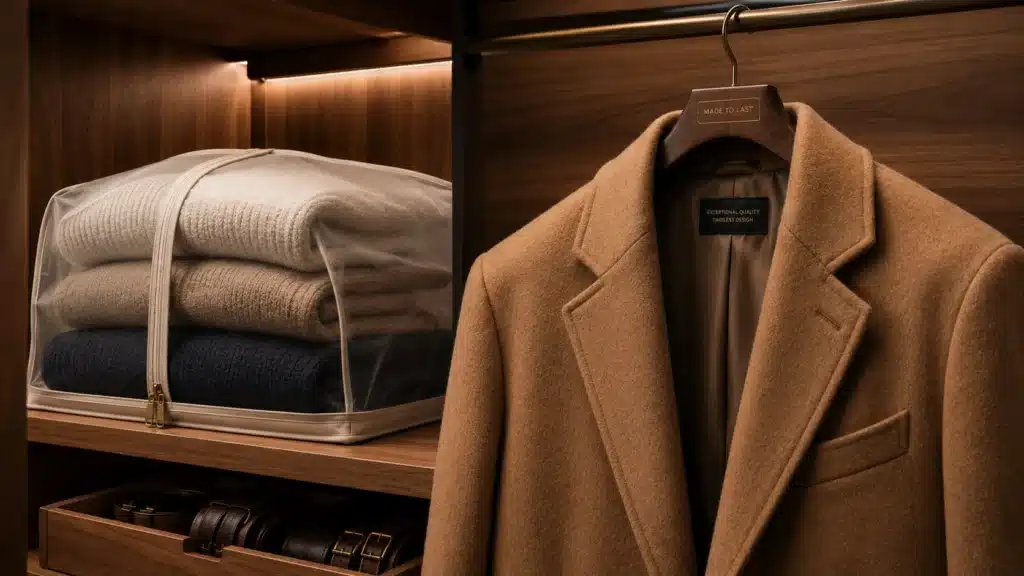
Even the finest clothing requires proper care.
A beautifully made garment can lose its appearance quickly if it’s washed, stored, or handled incorrectly.
Fortunately, maintaining quality clothing doesn’t have to be complicated.
Follow the Care Label
The care label exists for a reason.
Whether a garment recommends hand washing, dry cleaning, or gentle machine washing, following those instructions helps preserve the fabric and construction.
Ignoring care recommendations often shortens a garment’s lifespan.
Store Clothing Properly
Proper storage is just as important as proper cleaning.
Use supportive hangers for structured garments such as blazers and coats.
Fold knitwear like cashmere and wool rather than hanging it to help prevent stretching.
Store leather accessories in breathable dust bags whenever possible to help maintain their finish.
Treat Stains Promptly
Addressing stains early often prevents permanent damage.
Avoid aggressive scrubbing, particularly on delicate fabrics, and always follow the recommended cleaning methods for the material.
Give Garments Time to Rest
Wearing the same item every day places unnecessary stress on fabrics and construction.
Rotating your clothing allows fibers to recover, helping garments maintain their shape and appearance for longer.
Small habits like these can significantly extend the life of quality clothing while protecting your investment.
A Real-World Example of Quality Over Quantity
The difference between quantity and quality becomes much clearer when viewed through a real-life scenario.
Consider two shoppers with the same five-year clothing budget.
Emma’s Wardrobe
Emma enjoys shopping frequently and rarely misses seasonal sales.
Over five years she purchases:
- Multiple fast-fashion jackets
- Trend-driven handbags
- Numerous inexpensive sweaters
- Seasonal statement pieces
- Sale purchases made on impulse
Her wardrobe grows quickly.
Yet many items lose their appeal after limited use.
Some no longer fit her style.
Others fade, pill, or lose their shape.
Despite owning a full closet, she regularly feels like she has nothing to wear because many pieces don’t work well together.
Sophia’s Wardrobe
Sophia takes a slower approach.
Instead of buying frequently, she purchases carefully.
Over the same period she gradually adds:
- A premium wool coat
- Two quality cashmere sweaters
- A timeless leather handbag
- Quality leather footwear
- A tailored blazer
- A collection of versatile wardrobe essentials
Her wardrobe grows more slowly, but every piece complements the others.
Creating outfits becomes easier.
Replacing clothing becomes less frequent.
Years later, most of her purchases continue looking elegant and remain part of her everyday wardrobe.
The lesson isn’t that one person spent more money than the other.
The lesson is that thoughtful buying often creates greater satisfaction than frequent buying.
Questions to Ask Before Buying Any Garment
Before adding another piece to your wardrobe, pause for a moment and ask yourself these questions.
- Would I still choose this if it weren’t on sale?
- Can I wear this with at least three outfits I already own?
- Does the fabric feel durable and comfortable?
- Is the construction as impressive on the inside as it is on the outside?
- Will this still suit my style several years from now?
- Am I buying this because I need it or because it’s trending?
- Will I realistically wear it at least thirty times?
If the answers inspire confidence, you’re likely making a thoughtful purchase rather than an emotional one.
These questions become even more valuable over time because they help prevent wardrobe regret before it happens.
Frequently Asked Questions
High-quality clothing can usually be identified by looking beyond the design or brand name. Check the fabric composition, stitching, seam construction, lining, and finishing details such as buttons or zippers. Well-made garments should feel substantial, fit comfortably, and maintain their structure. Taking a few extra minutes to inspect these details can help you choose clothing that offers better durability and long-term value.
Not necessarily. Natural fibers like wool, cashmere, linen, and premium cotton are valued for their comfort and breathability, but modern fabric blends can improve durability, flexibility, and wrinkle resistance. The best choice depends on the garment’s purpose. Rather than focusing on one material alone, evaluate the overall fabric quality, construction, and how well the clothing suits your lifestyle.
High-quality clothing typically costs more because it often involves better materials, skilled craftsmanship, thoughtful tailoring, and stricter quality control. While the initial price may be higher, well-made garments generally last longer, maintain their appearance, and require fewer replacements. Considering cost per wear rather than purchase price alone often provides a more accurate picture of long-term value.
If you’re building a quality wardrobe, start with pieces you wear regularly. Timeless essentials such as a well-made wool coat, quality cashmere knitwear, a tailored blazer, durable leather footwear, and a classic leather handbag often provide excellent versatility and long-term value. These investment pieces can be styled in multiple ways and remain relevant regardless of changing fashion trends.
One of the most common mistakes is purchasing emotionally rather than intentionally.
Buying because something is heavily discounted or currently trending often leads to wardrobes filled with items that are rarely worn.
No. Price alone does not determine quality.
The best way to evaluate clothing is by examining the fabric, construction, stitching, fit, and overall craftsmanship rather than relying solely on the brand name or price tag.
Proper care plays a major role in extending the life of quality clothing. Always follow the care instructions, avoid overwashing, store garments correctly, and use appropriate hangers or folding methods depending on the fabric. Rotating frequently worn pieces and addressing small repairs early can also help preserve their appearance, fit, and overall wardrobe longevity.
Final Thoughts: Buy Smarter, Wear Longer
Choosing high-quality clothing isn’t about chasing luxury or building the most expensive wardrobe.
It’s about understanding what makes a garment genuinely worth owning.
When you learn to evaluate fabric, construction, fit, craftsmanship, and versatility, you stop relying on marketing claims and begin making informed decisions with confidence.
Over time, these decisions transform the way you shop.
Instead of accumulating clothing that quickly loses its appeal, you build a wardrobe filled with pieces that continue serving you year after year.
You’ll spend less time wondering what to wear, replace clothing less often and you will enjoy greater comfort, improved confidence, and a wardrobe that reflects your personal style rather than temporary trends.
Fashion will always evolve.
New collections will continue to appear.
Trends will continue to come and go.
But well-made clothing built on quality, thoughtful design, and timeless craftsmanship never goes out of style.
The next time you’re shopping, don’t simply ask whether a garment looks good today.
Ask whether it’s designed to look good—and perform well—for years to come.
Because the best wardrobe isn’t the one with the most clothes.
It’s the one filled with clothing you’ll genuinely enjoy wearing again and again.
Explore the Collection & Read More










Leave a comment