
Quality Clothing: Embrace Style Over Quantity
Estimated reading time: 23 minutes
Table of contents
- The Benefits of Investing in Quality Over Quantity in Your Wardrobe
- Why More Clothes Don’t Always Mean Better Style
- The Hidden Cost of Buying Cheap Clothing
- Fast Fashion vs. Quality Clothing: A Long-Term Comparison
- Understanding Cost Per Wear: The Smart Shopper’s Secret
- The Hallmarks of High-Quality Clothing
- How to Identify High-Quality Clothing Before You Buy
- Why Timeless Style Always Outperforms Trends
- Why Some Clothes Look Expensive Without Designer Logos
- How a Quality-First Wardrobe Simplifies Everyday Life
- The Rise of the Capsule Wardrobe: Why Less Is Becoming More
- Why Quality Clothing Often Improves Confidence
- The Sustainability Benefits of Buying Better, Not More
- A Simple 30-Minute Wardrobe Audit
- The First Pieces Worth Investing In
- Which Clothing Purchases Deliver the Best Cost Per Wear?
- Common Wardrobe Purchases People Regret
- How to Transition From Quantity to Quality
- The Psychology Behind Why We Buy Too Many Clothes
- Luxury vs. Quality: Understanding the Difference
- A Real-World Example of Quality Over Quantity
- Frequently Asked Questions About Investing in Quality Clothing
- Buy Less, Choose Better, Wear Longer
The Benefits of Investing in Quality Over Quantity in Your Wardrobe
Take a look inside your closet.
How many pieces do you own that you genuinely love wearing?
For many people, the answer is surprisingly small. Despite wardrobes overflowing with clothing, it’s common to reach for the same handful of outfits week after week. The result is a closet packed with options yet a daily feeling of having “nothing to wear.”
This modern wardrobe dilemma is largely driven by a culture of overconsumption. Fast-moving fashion trends, constant sales, and impulse purchases encourage people to buy more than they need. While these purchases may provide temporary satisfaction, they often lead to cluttered closets, wasted money, and garments that lose their appeal after only a few wears.
In contrast, a growing number of fashion-conscious consumers are embracing a different philosophy: quality over quantity.
Rather than filling a wardrobe with dozens of inexpensive pieces, they focus on acquiring fewer garments that offer superior craftsmanship, better materials, timeless style, and lasting value. This approach isn’t about spending extravagantly or owning only luxury brands. It’s about making intentional purchasing decisions that support your personal style, budget, and long-term wardrobe goals.
Investing in quality clothing can transform not only the way you dress but also the way you shop, organize your wardrobe, and feel about your appearance. From saving money over time to reducing decision fatigue and supporting more sustainable fashion habits, the benefits extend far beyond aesthetics.
In this guide, we’ll explore why investing in quality over quantity is one of the smartest decisions you can make for your wardrobe and how you can start building a collection of pieces you’ll love wearing for years to come.
Why More Clothes Don’t Always Mean Better Style
At first glance, having a large wardrobe seems like an advantage. More clothes should mean more outfit options, greater versatility, and easier dressing.
In reality, the opposite is often true.
When wardrobes become overcrowded with trend-driven purchases, duplicate items, and low-quality garments, it becomes harder to create cohesive outfits. Many people find themselves overwhelmed by choice, leading to frustration rather than inspiration.
Psychologists refer to this phenomenon as decision fatigue. The more choices we face, the more mental energy we expend making decisions. When your closet contains dozens of pieces that don’t coordinate well together, getting dressed can become unnecessarily complicated.
A thoughtfully curated wardrobe works differently.
Instead of relying on volume, it relies on versatility. Each piece serves a purpose and complements multiple other items in your collection. A well-tailored blazer can work with denim, trousers, dresses, and skirts. A premium wool coat can elevate casual and formal outfits alike. A quality cashmere sweater can transition effortlessly between work, travel, and weekend wear.
When every piece earns its place in your wardrobe, getting dressed becomes easier, faster, and far more enjoyable.
The Hidden Cost of Buying Cheap Clothing
One of the biggest misconceptions in fashion is that inexpensive clothing always saves money.
While a lower price tag may seem appealing initially, the true cost of a garment extends far beyond its purchase price.
Low-quality clothing often suffers from:
- Fading colors after repeated washing
- Fabric pilling and deterioration
- Misshapen fits over time
- Weak stitching and construction
- Reduced comfort and wearability
As a result, these items need to be replaced more frequently.
Imagine purchasing a $40 sweater that lasts one season before losing its shape. Over five years, replacing that sweater annually could cost $200 or more.
Now compare that to a well-made cashmere or merino wool sweater that costs more upfront but maintains its appearance and comfort for years with proper care.
The difference isn’t simply about price. It’s about value.
Consumers who focus solely on the initial cost often overlook the long-term expense of repeatedly replacing poorly made garments.
This is where the concept of cost per wear becomes particularly valuable.
Fast Fashion vs. Quality Clothing: A Long-Term Comparison
| Factor | Fast Fashion | Quality Clothing |
|---|---|---|
| Initial Cost | Lower | Higher |
| Lifespan | Months to a few seasons | Years |
| Cost Per Wear | Often higher over time | Often lower over time |
| Comfort | Varies greatly | Typically better |
| Sustainability | Lower | Higher |
| Versatility | Trend-focused | Timeless |
| Replacement Frequency | Frequent | Less frequent |
Quality clothing isn’t about chasing luxury labels or spending excessively. It’s about making intentional choices that reduce the constant cycle of replacement. Fast fashion often tempts buyers with low prices and trendy designs, but these garments wear out quickly, lose shape, or fall out of style within months. As a result, people end up buying more frequently, which increases long‑term costs and contributes to waste.
In contrast, quality clothing emphasizes durability, comfort, and timeless design. A well‑made shirt, jacket, or pair of shoes can last for years, offering consistent value with every wear. The higher upfront cost is offset by fewer replacements, lower cost per wear, and greater satisfaction. Building a wardrobe around quality pieces means investing in garments that remain versatile and reliable, season after season. Ultimately, it’s not about spending more—it’s about spending smarter and creating a wardrobe that truly endures.
Understanding Cost Per Wear: The Smart Shopper’s Secret
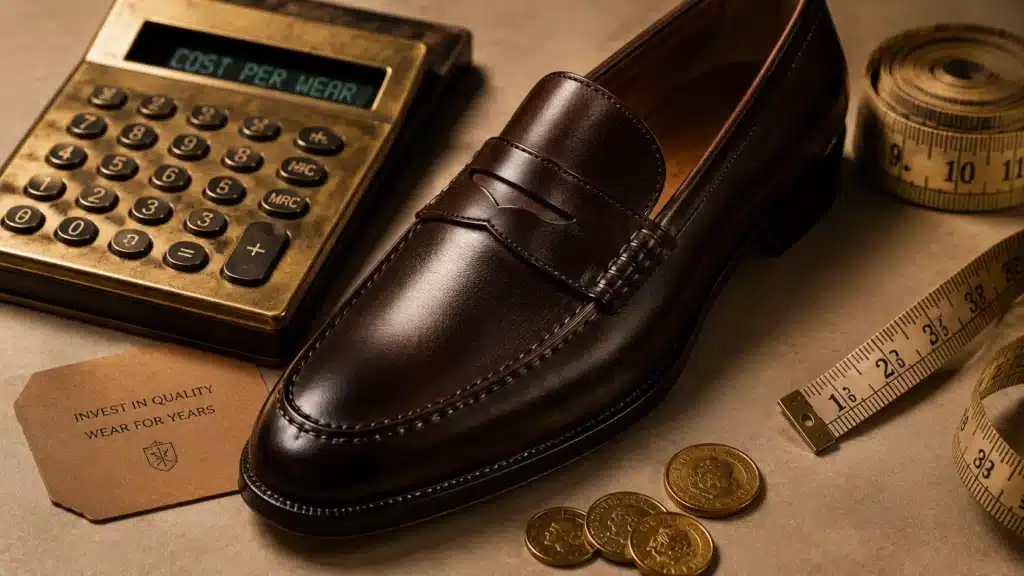
Cost per wear is one of the most effective ways to evaluate the true value of a clothing purchase.
The formula is simple:
Cost Per Wear = Purchase Price ÷ Number of Times Worn
Consider two different coats:
Option A: Budget Coat
Purchase Price: $150
Number of Wears: 30
Cost Per Wear: $5.00
Option B: Premium Wool Coat
Purchase Price: $900
Number of Wears: 300
Cost Per Wear: $3.00
Although the premium coat costs significantly more initially, it delivers greater value over time because it remains stylish, functional, and durable for years.
This mindset shift is one of the reasons why experienced fashion enthusiasts often prioritize quality craftsmanship over frequent purchases. Instead of asking, “How much does it cost?” they ask, “How much value will I get from it?”
The answer frequently favors quality.
The Hallmarks of High-Quality Clothing
Not all expensive clothing is high quality, and not all affordable clothing is poorly made.
Understanding how to identify quality garments empowers you to make smarter purchasing decisions regardless of your budget.
Superior Fabrics
The foundation of quality clothing begins with materials.
Some of the most durable and luxurious fabrics include:
- Cashmere
- Merino wool
- Wool
- Silk
- Linen
- Organic cotton
- Full-grain leather
These materials generally offer greater longevity, comfort, and performance compared to many synthetic alternatives.
Exceptional Craftsmanship
Quality garments often feature:
- Reinforced seams
- Consistent stitching
- Durable linings
- Precision tailoring
- Strong closures and zippers
These details may seem minor, but they play a significant role in how a garment ages over time.
Better Fit and Drape
High-quality clothing is often designed with greater attention to proportion and construction. The result is a more flattering silhouette and improved comfort.
A well-constructed blazer, for example, doesn’t simply look better. It moves better, feels better, and maintains its shape through years of wear.
How to Identify High-Quality Clothing Before You Buy
Many shoppers want to invest in better clothing but aren’t always sure how to separate genuine quality from clever marketing.
The good news is that high-quality garments often reveal themselves through small details.
Examine the Fabric First
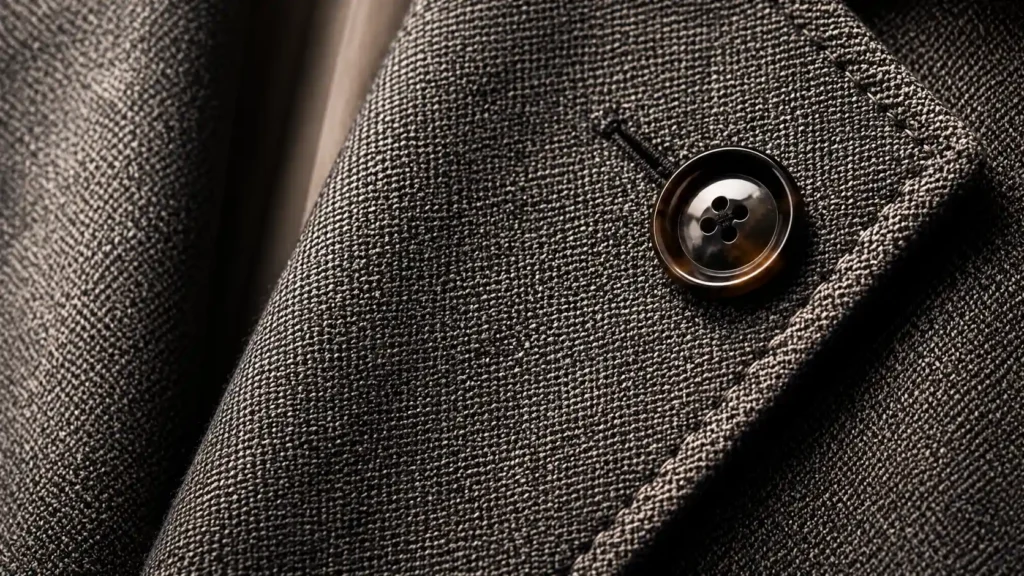
Fabric is the foundation of every garment.
Natural fibers such as cashmere, wool, merino wool, silk, linen, and premium cotton generally offer better breathability, comfort, and longevity than many synthetic alternatives.
Pay attention to how a fabric feels in your hands. Quality materials tend to feel substantial, smooth, and resilient rather than thin or overly stiff.
Check the Stitching
Turn a garment inside out whenever possible.
Look for:
- Straight, even stitching
- Reinforced seams
- Secure hems
- No loose threads
Quality craftsmanship is often most visible in the areas consumers rarely see.
Evaluate the Fit and Structure
A well-made garment should maintain its shape and drape naturally on the body.
Blazers, coats, and trousers with thoughtful construction typically look more polished and last longer because they are designed to retain their structure through repeated wear.
Look for Quality Finishing Details
Details matter.
Premium garments often feature:
- Durable buttons
- Quality zippers
- Proper lining
- Pattern matching
- Clean edge finishing
These elements may seem minor individually, but together they often indicate superior craftsmanship and attention to detail.
Learning to identify these characteristics can help you make smarter purchasing decisions regardless of price point.
Why Timeless Style Always Outperforms Trends
Fashion trends come and go.
Style endures.
One of the greatest advantages of investing in quality pieces is that they are often designed with longevity in mind. Rather than focusing on short-lived trends, these garments emphasize classic silhouettes, versatile colors, and enduring appeal.
Timeless wardrobe staples include:
- Wool coats
- Tailored blazers
- White shirts
- Cashmere sweaters
- Leather handbags
- Quality leather footwear
- Well-fitted trousers
These pieces remain relevant year after year, making them far more practical investments than trend-driven items that quickly lose their appeal.
When your wardrobe is built around timeless essentials, you spend less time chasing trends and more time refining a personal style that feels authentically yours.
Why Some Clothes Look Expensive Without Designer Logos
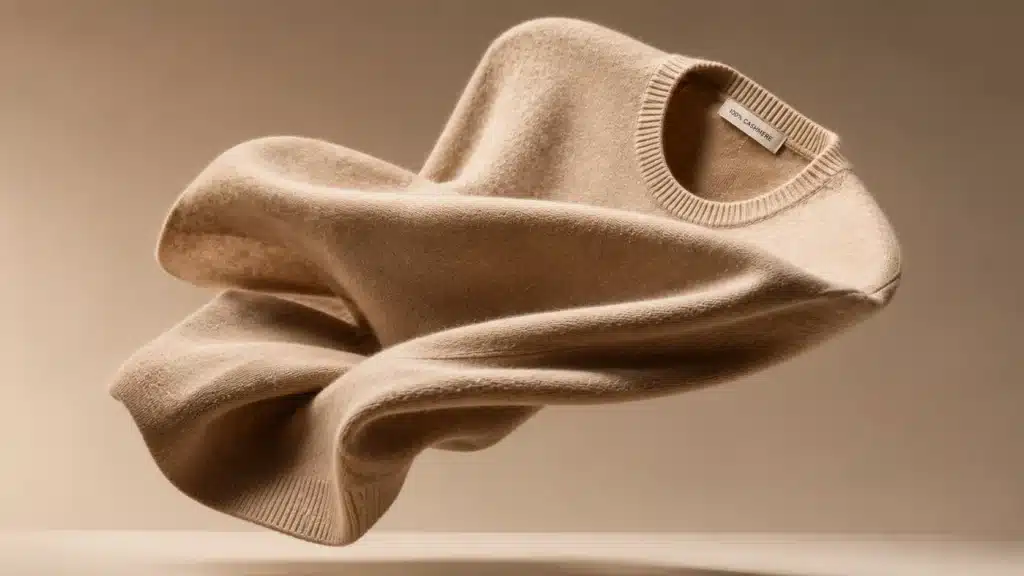
One of the most interesting shifts in modern fashion is that many of the best-dressed people are moving away from visible branding.
Instead of relying on logos, they focus on fit, fabric, and craftsmanship.
This philosophy is often associated with quiet luxury—a style approach that values understated elegance over obvious status symbols.
Clothing tends to look more refined when it features:
- Premium fabrics
- Excellent tailoring
- Balanced proportions
- Neutral color palettes
- Timeless silhouettes
A beautifully tailored wool coat, a structured leather handbag, or a luxurious cashmere sweater often creates a stronger impression than heavily branded trend pieces.
The secret isn’t spending more.
It’s choosing garments that communicate quality through their construction rather than their logo.
This approach also helps create a wardrobe that remains relevant long after seasonal trends have disappeared.
How a Quality-First Wardrobe Simplifies Everyday Life
One of the most overlooked benefits of investing in quality clothing has nothing to do with fashion.
It has to do with time.
Think about how often you’ve stood in front of a full closet wondering what to wear. Despite having dozens—or even hundreds—of options, putting together an outfit can feel surprisingly difficult.
This happens because many wardrobes are built around individual purchases rather than a cohesive strategy. Trend-driven items, impulse buys, and sale purchases often don’t work well together, creating a collection of clothes rather than a functional wardrobe.
A quality-first wardrobe changes that dynamic.
When you focus on fewer, better pieces, each item is selected with versatility in mind. Instead of owning ten jackets that only work for specific occasions, you might own one exceptional wool coat that pairs effortlessly with everything from denim and knitwear to tailored trousers and dresses.
The result is a wardrobe where most items complement one another, making outfit creation faster and more intuitive.
Many people discover that reducing the number of clothes they own actually increases the number of outfits they can create.
That’s the power of intentional dressing.
The Rise of the Capsule Wardrobe: Why Less Is Becoming More
In recent years, the concept of the capsule wardrobe has gained significant popularity among fashion enthusiasts, professionals, and minimalists alike.
At its core, a capsule wardrobe is a curated collection of versatile pieces that can be mixed and matched to create numerous outfits.
The goal isn’t restriction.
The goal is optimization.
A well-designed capsule wardrobe often includes:
- A tailored blazer
- A quality wool coat
- Neutral knitwear
- Well-fitting trousers
- Premium denim
- Versatile footwear
- Timeless accessories
These pieces form the foundation of countless outfit combinations while reducing clutter and unnecessary purchases.
Interestingly, many luxury consumers naturally build capsule wardrobes without realizing it. Because they prioritize craftsmanship, longevity, and versatility, their wardrobes tend to evolve around timeless essentials rather than seasonal trends.
For example, a beautifully crafted cashmere sweater may initially seem like a luxury purchase. Yet when it becomes a staple worn throughout autumn and winter for years, it often delivers significantly more value than multiple lower-quality alternatives.
The same principle applies to investment accessories. A thoughtfully chosen leather handbag can complement hundreds of outfits over its lifetime, making it one of the hardest-working items in a wardrobe.
Why Quality Clothing Often Improves Confidence
Clothing affects more than appearance.
It influences how we feel.
Most people have experienced the difference between wearing something that feels “good enough” and wearing something that fits perfectly, feels comfortable, and reflects their personal style.
Quality garments often provide that difference.
Superior fabrics tend to drape better. Tailoring tends to be more precise. Construction tends to feel more substantial. Together, these elements create a sense of confidence that is difficult to replicate with poorly made clothing.
This doesn’t mean confidence comes from expensive labels.
In fact, one of the biggest shifts in modern fashion is the move away from obvious logos and toward what many refer to as quiet luxury.
Rather than focusing on brand recognition, quiet luxury emphasizes:
- Exceptional craftsmanship
- Premium materials
- Timeless design
- Understated elegance
A well-made blazer, a beautifully structured leather handbag, or a luxurious cashmere knit often communicates sophistication through quality rather than branding.
And because these pieces remain relevant year after year, they help create a consistent personal style rather than a wardrobe dictated by changing trends.
The Sustainability Benefits of Buying Better, Not More
Sustainability has become an increasingly important conversation in fashion, but it is often misunderstood.
Many people assume sustainable fashion requires major lifestyle changes or sacrificing personal style.
In reality, one of the most sustainable things you can do is simply buy fewer clothes and wear them longer.
Every garment requires resources to produce, transport, package, and distribute. When clothing is discarded after only a handful of wears, those resources are effectively wasted.
Quality clothing helps break that cycle.
Because well-made garments are designed to last, they remain in wardrobes longer and require fewer replacements over time.
Consider two consumers:
The first purchases five inexpensive sweaters every year.
The second purchases one premium sweater that lasts five years.
While the upfront cost may differ, the environmental impact and long-term value often tell a very different story.
This is one reason why the slow fashion movement continues to gain momentum. Consumers are becoming increasingly aware that longevity is one of the most important characteristics of a sustainable wardrobe.
Buying less does not mean compromising on style.
It means choosing pieces that deserve a place in your wardrobe for years rather than months.
A Simple 30-Minute Wardrobe Audit
Before purchasing anything new, spend thirty minutes evaluating what you already own.
Ask yourself:
Have I worn this in the last year?
If not, consider why.
Does it fit properly?
Even expensive clothing loses value when it doesn’t fit well.
Does it work with multiple outfits?
Versatility is one of the strongest indicators of a valuable wardrobe piece.
Would I buy it again today?
This simple question often reveals whether a garment genuinely earns its place in your wardrobe.
The goal isn’t to own fewer clothes for the sake of minimalism. The goal is to understand which pieces truly support your lifestyle and personal style.
The First Pieces Worth Investing In
For those transitioning from quantity to quality, one question inevitably arises:
“Where should I start?”
The answer depends on your lifestyle, but certain wardrobe staples consistently offer exceptional value because they are worn frequently and remain stylish for years.
1. A Premium Wool Coat
A wool coat is one of the most versatile outerwear investments you can make.
Whether layered over business attire, knitwear, denim, or eveningwear, a well-constructed wool coat provides warmth, sophistication, and remarkable longevity.
Classic colors such as camel, navy, charcoal, and black rarely go out of style, making them especially practical choices.
2. A Quality Cashmere Sweater
Few garments combine comfort, elegance, and versatility as effectively as cashmere.
A quality cashmere sweater can elevate even the simplest outfit while offering exceptional softness and insulation.
When properly cared for, high-quality cashmere can remain a wardrobe favorite for many years, making it a smart example of cost-per-wear value.
3. A Tailored Blazer
A tailored blazer is one of fashion’s most adaptable pieces.
It can instantly elevate denim, complement tailored trousers, or add structure to dresses and skirts.
Because of its versatility, a well-made blazer often becomes one of the most frequently worn items in a quality-focused wardrobe.
4. A Timeless Leather Handbag
Unlike trend-driven accessories that lose relevance quickly, a well-crafted leather handbag often improves with age.
Its versatility allows it to transition seamlessly between work, travel, social occasions, and everyday use.
When evaluating handbags, prioritize craftsmanship, leather quality, and functionality over short-lived trends.
5. Quality Leather Footwear
Footwear experiences more daily wear than almost any other wardrobe category.
Investing in well-made leather shoes, loafers, boots, or sneakers can significantly improve comfort, durability, and overall appearance.
Many quality shoes can be maintained, repaired, and restored over time, extending their lifespan well beyond cheaper alternatives.
Which Clothing Purchases Deliver the Best Cost Per Wear?
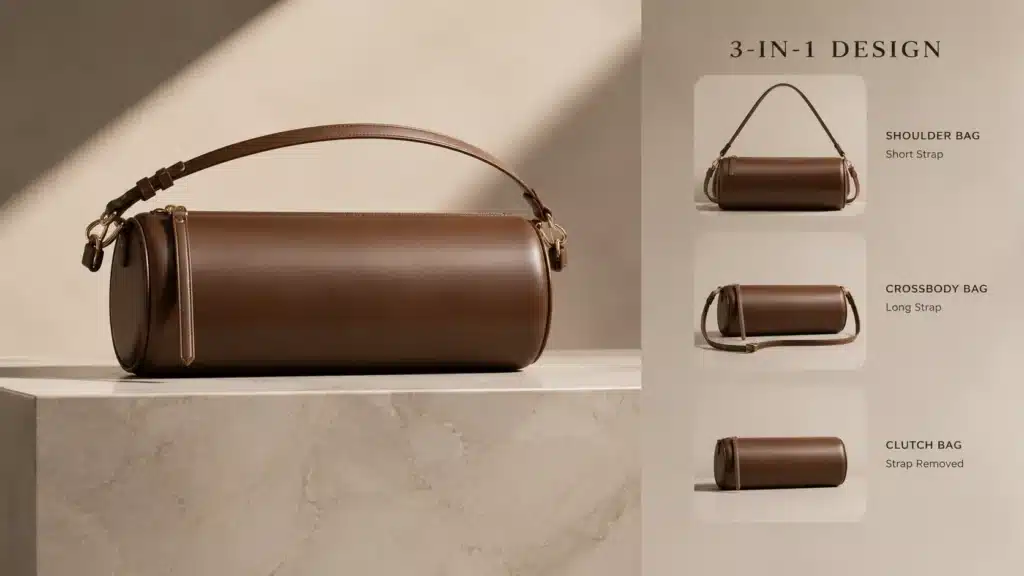
Not every fashion purchase offers the same long-term value.
Some pieces are worn so frequently and remain stylish for so many years that their cost per wear becomes surprisingly low. Others may look appealing initially but spend most of their time sitting unused in the closet.
If you’re building a quality-focused wardrobe, prioritizing high cost-per-wear pieces is one of the smartest ways to invest your budget.
Exceptional Value Investments
These are the wardrobe essentials that consistently provide outstanding long-term value because of their versatility, durability, and timeless appeal.
Wool Coat
A well-made wool coat is often one of the hardest-working items in a wardrobe. It can be worn throughout multiple seasons, layered over casual outfits, professional attire, and eveningwear alike.
Because classic wool coats rarely go out of style and can last for many years with proper care, they often deliver one of the lowest cost-per-wear ratios in fashion.
Cashmere Sweater
Cashmere combines comfort, elegance, and practicality in a way few fabrics can match.
A quality cashmere sweater can be worn to the office, while traveling, during social gatherings, or as part of a relaxed weekend outfit. When properly maintained, it can remain a wardrobe staple for years, making it an excellent example of a fashion investment that continues to pay off over time.
Leather Footwear
Quality leather footwear is often more comfortable, more durable, and more versatile than lower-quality alternatives.
Whether it’s a pair of classic loafers, leather boots, or minimalist sneakers, well-crafted footwear can often be repaired and maintained, significantly extending its lifespan and reducing the need for frequent replacements.
Strong Value Investments
These pieces may not be worn every single day, but they provide substantial value because of their versatility and ability to elevate a wide range of outfits.
Tailored Blazer
A tailored blazer is one of the most adaptable garments you can own.
It can instantly add structure to casual outfits, complement professional attire, and create a polished appearance with minimal effort. Because it transitions seamlessly across different settings, a quality blazer often becomes one of the most frequently worn items in a thoughtfully curated wardrobe.
Leather Handbag
A timeless leather handbag serves both a functional and aesthetic purpose.
Unlike trend-driven accessories that may lose relevance after a season or two, a well-crafted handbag can remain stylish and practical for years. Its ability to pair effortlessly with numerous outfits makes it a strong long-term investment.
Lifestyle-Dependent Investments
Some purchases offer excellent value, but their cost per wear depends largely on your lifestyle, profession, and personal style preferences.
Luxury Knitwear
For individuals living in cooler climates or those who frequently layer their outfits, premium knitwear can become a wardrobe essential. Quality knitwear offers warmth, comfort, and versatility while often maintaining its appearance longer than lower-quality alternatives.
Occasion Wear
Special-event clothing can still represent good value when selected thoughtfully. Classic dresses, tailored suits, and elegant eveningwear that can be worn repeatedly for weddings, formal events, and celebrations often outperform trend-driven pieces purchased for a single occasion.
Statement Accessories
Statement accessories can add personality and individuality to a wardrobe. However, their cost per wear depends heavily on how often they are incorporated into everyday outfits. Choosing timeless statement pieces rather than highly trend-specific designs can improve their long-term value.
Ultimately, the best wardrobe investments are not necessarily the most expensive items. They are the pieces that align with your lifestyle, support your personal style, and continue earning their place in your wardrobe year after year.
Common Wardrobe Purchases People Regret
One of the easiest ways to build a better wardrobe is by learning from common shopping mistakes.
The following purchases frequently lead to regret:
Trend Pieces With Limited Wearability
If an item only works with one outfit or one season, its long-term value is often limited.
Poor-Quality Handbags
Accessories endure significant daily use. Inferior materials tend to show wear quickly, resulting in frequent replacements.
Uncomfortable Shoes
Even beautiful footwear loses its appeal if it remains unworn because of discomfort.
Sale Purchases Without Purpose
A discount doesn’t automatically create value.
If you wouldn’t buy the item at full price, ask yourself whether it truly belongs in your wardrobe.
Duplicate Purchases
Many people own multiple versions of the same garment while lacking foundational wardrobe essentials.
Before making a purchase, consider whether it fills a genuine gap or simply duplicates something you already own.
How to Transition From Quantity to Quality
Building a quality wardrobe doesn’t happen overnight.
Nor should it.
The most successful wardrobes evolve gradually through thoughtful purchasing decisions.
Start by auditing your current closet.
Identify the pieces you wear most frequently.
Look for common characteristics:
- Favorite fabrics
- Preferred colors
- Most versatile silhouettes
- Most comfortable fits
Next, focus on replacing heavily worn or low-quality items with better alternatives as needed.
This approach allows you to build a wardrobe intentionally while avoiding unnecessary spending.
Over time, you’ll find yourself purchasing less often, wearing your clothes more frequently, and feeling more satisfied with every addition to your collection.
And ultimately, that’s what investing in quality over quantity is all about—not owning more, but owning better.
The Psychology Behind Why We Buy Too Many Clothes
Most people don’t buy too many clothes because they need them.
They buy them because of how those purchases make them feel.
Fashion is deeply emotional. A new outfit can provide excitement, confidence, optimism, and even a temporary sense of transformation. Retailers understand this well, which is why flash sales, limited-time offers, and trend cycles are designed to encourage frequent purchasing.
The problem is that emotional purchases rarely create lasting satisfaction.
Many shoppers experience a cycle that looks something like this:
- Buy something new.
- Feel excited.
- Wear it once or twice.
- Lose interest.
- Repeat.
Over time, this pattern creates crowded closets filled with items that no longer feel meaningful.
A quality-focused wardrobe encourages a different mindset.
Instead of asking:
“What do I feel like buying today?”
You begin asking:
“Will I still love wearing this five years from now?”
That single question can dramatically improve your purchasing decisions.
It shifts your focus from short-term gratification to long-term value.
And perhaps most importantly, it helps you build a wardrobe that reflects your genuine personal style rather than temporary trends.
Luxury vs. Quality: Understanding the Difference
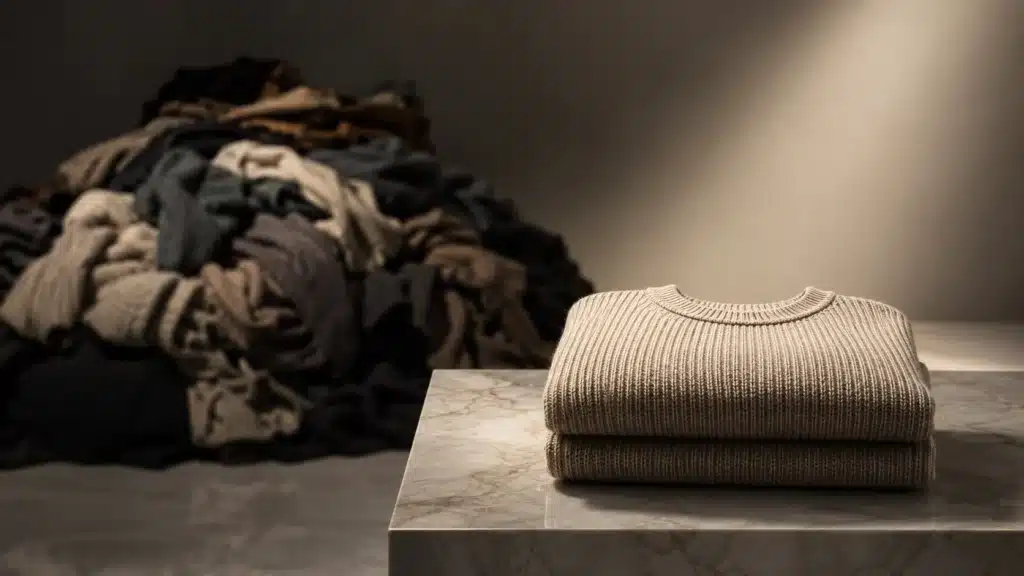
One of the biggest misconceptions in fashion is that luxury and quality are the same thing.
They aren’t.
While many luxury brands produce exceptional products, a high price tag alone does not guarantee superior craftsmanship.
Likewise, some lesser-known brands create remarkably well-made garments that rival far more expensive alternatives.
When evaluating a piece, focus on factors such as:
- Fabric composition
- Construction quality
- Stitching and finishing
- Durability
- Versatility
- Timeless design
A beautifully tailored wool coat made from premium materials may offer greater long-term value than a heavily branded item purchased primarily for status.
The same principle applies to handbags, footwear, knitwear, and accessories.
True quality reveals itself through how a product performs over time.
Does it maintain its shape?
Will it continue to look elegant after years of use?
Does it remain relevant regardless of changing trends?
These are the questions that matter most.
The most sophisticated wardrobes are rarely built around logos.
They’re built around thoughtful choices, exceptional craftsmanship, and pieces that consistently deliver value.
A Real-World Example of Quality Over Quantity
The difference between quantity and quality becomes much easier to understand when viewed through a real-world scenario.
Consider two shoppers with the same five-year clothing budget of approximately $5,000.
Emma’s Wardrobe
Emma enjoys staying on top of every new trend.
Over five years, she purchases:
- 12 trend-driven handbags
- 20 inexpensive sweaters
- Multiple fast-fashion jackets
- Seasonal statement pieces
- Various sale purchases made on impulse
At first, her wardrobe appears extensive and full of variety.
However, many of these items begin showing signs of wear after limited use. Some go out of style quickly, while others lose their shape, fade, or simply no longer reflect her evolving taste. As a result, Emma frequently replaces clothing and continues adding new items to her closet.
Despite spending around $5,000, she often feels like she has nothing to wear because many of her purchases don’t work well together.
Sophia’s Wardrobe
Sophia takes a different approach.
Instead of focusing on trends, she prioritizes versatility, craftsmanship, and longevity.
Over five years, she invests in:
- One premium wool coat
- Two quality cashmere sweaters
- One timeless leather handbag
- Quality leather footwear
- One tailored blazer
- A small collection of versatile wardrobe essentials
Her wardrobe grows more slowly, but every addition serves a purpose.
Because her pieces complement one another, creating outfits becomes effortless. Rather than constantly replacing worn-out items, she continues enjoying garments that maintain their appearance and functionality year after year.
Like Emma, Sophia spends approximately $5,000.
The difference is what remains at the end of those five years.
The Outcome
Emma owns more items, but many require replacement.
Sophia owns fewer items, but most continue delivering value.
Emma’s wardrobe is built around consumption.
Sophia’s wardrobe is built around intentional ownership.
This example highlights an important truth about fashion: the goal isn’t simply to spend less or spend more. The goal is to spend smarter.
A thoughtfully curated wardrobe built around quality, versatility, and timeless style often provides greater satisfaction, lower long-term costs, and a stronger sense of personal style than a closet filled with short-lived purchases.
When viewed through this lens, investing in quality over quantity becomes less about fashion and more about making choices that continue to reward you long after the initial purchase.
Frequently Asked Questions About Investing in Quality Clothing
Yes, investing in quality clothing is often worth it because well-made pieces are designed to offer better durability, comfort, and long-term value. Instead of frequently replacing inexpensive garments, choosing timeless wardrobe essentials can reduce unnecessary purchases over time. The focus is not simply buying expensive items but selecting clothing with better materials, craftsmanship, versatility, and lasting appeal that genuinely supports your lifestyle.
You can identify high-quality clothing by examining the fabric, construction, stitching, and finishing details. Look for durable materials such as wool, cashmere, linen, premium cotton, and quality leather. Well-made garments usually feature consistent stitching, strong seams, proper structure, and thoughtful design details. A truly valuable wardrobe piece should feel comfortable, maintain its shape, and continue performing well after repeated use.
The best wardrobe investment pieces are usually items you wear frequently and can style in multiple ways. A quality wool coat, cashmere sweater, tailored blazer, leather handbag, and well-crafted footwear often provide excellent cost per wear. These timeless wardrobe essentials work across different occasions and seasons, making them practical foundations for a quality over quantity wardrobe.
Cost per wear is a simple formula used to evaluate value.
Cost Per Wear = Purchase Price ÷ Number of Times Worn
A garment that costs more initially may actually be more economical if it is worn frequently and lasts for many years.
Quality clothing can save money over time when pieces last longer and require fewer replacements. While premium garments may have a higher initial cost, their cost per wear often decreases with frequent use. A carefully selected item worn for many years can deliver better value than several cheaper alternatives that quickly lose shape, comfort, or style.
Buy Less, Choose Better, Wear Longer
In a world that constantly encourages us to buy more, choosing quality over quantity can feel surprisingly radical.
Yet the benefits are difficult to ignore.
A quality-focused wardrobe can help you:
- Save money over time
- Reduce clutter
- Simplify daily dressing
- Build a stronger personal style
- Make more sustainable fashion choices
- Gain greater confidence in what you wear
More importantly, it changes your relationship with clothing.
Instead of viewing garments as disposable purchases, you begin seeing them as long-term investments—pieces that accompany you through seasons, milestones, and years of everyday life.
The goal isn’t to own the most clothes.
The goal is to own the right clothes.
Whether you’re starting with a timeless wool coat, a beautifully tailored blazer, a versatile leather handbag, or a luxurious cashmere sweater, every thoughtful purchase moves your wardrobe in the right direction.
Fashion trends will continue to change.
Sales will continue to tempt.
New collections will continue to arrive.
But a wardrobe built on quality, craftsmanship, versatility, and personal style will never go out of fashion.
Buy less.
Choose better.
Wear longer.
Your wardrobe—and your future self—will thank you for it.







Leave a comment